
Bond Beyond Words: The Emotional Power of Breastfeeding
Breastfeeding is a natural and beautiful way to nourish your baby and create a strong emotional bond between the two of you. In this article, we will explore the emotional benefits of breastfeeding, including how it can help you feel closer to your baby, reduce stress, and boost your mood. We will also discuss some of the challenges that you may face while breastfeeding and offer tips for overcoming them.

Benefits of breastfeeding for mothers
Breastfeeding has many benefits for mothers, both physically and emotionally. Some of the physical benefits of breastfeeding include:
- Reduced risk of postpartum hemorrhage
- Reduced risk of ovarian cancer
- Reduced risk of breast cancer
- Reduced risk of type 2 diabetes
- Weight loss
Breastfeeding also has many emotional benefits for mothers, including:
- Increased feelings of closeness and bonding with your baby
- Reduced stress
- Boosted mood
- Enhanced self-esteem
Benefits of breastfeeding for babies
Breastfeeding is also beneficial for babies. Breastmilk is the perfect food for your baby, providing them with all the nutrients they need for healthy growth and development. In addition, breastfeeding has many other benefits for babies, including:
- Reduced risk of allergies and asthma
- Reduced risk of ear infections
- Reduced risk of gastrointestinal infections
- Reduced risk of sudden infant death syndrome (SIDS)
- Improved cognitive development
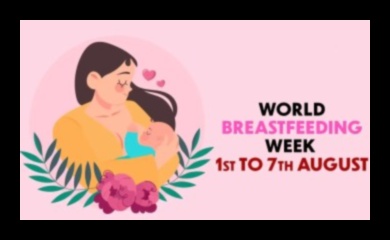
Emotional bond between mother and baby during breastfeeding
Breastfeeding is a natural way to create a strong emotional bond between mother and baby. The act of breastfeeding releases hormones in both the mother and baby that promote feelings of love, closeness, and bonding. These hormones include oxytocin, prolactin, and dopamine.
Oxytocin is often referred to as the “love hormone” because it is released during childbirth, breastfeeding, and orgasm. Oxytocin helps to create feelings of relaxation, contentment, and bonding. Prolactin is a hormone that helps to produce breastmilk. It is also released during breastfeeding and helps to promote feelings of nurturing and attachment. Dopamine is a neurotransmitter that is associated with pleasure and reward. It is released during breastfeeding and helps to make breastfeeding a positive and enjoyable experience for both mother and baby.
The emotional bond that is created during breastfeeding is a powerful one. It can help to lay the foundation for a strong and healthy relationship between mother and baby.
How to create a strong emotional bond during breastfeeding
There are many things that you can do to create a strong emotional bond with your baby during breastfeeding. Some tips include:
- Hold your baby close and make eye contact while breastfeeding.
- Talk to your baby in a soft, soothing voice.
- Sing to your baby or play soft music.
- Massage your baby’s back or feet.
- Suckle your baby’s fingers or toes.
By taking the time to create a strong emotional bond with your baby during breastfeeding, you are laying the foundation for a happy and healthy relationship that will last a lifetime.

Challenges to breastfeeding and how to overcome them
Breastfeeding can be a challenging experience, but it is also a very rewarding one. There are many challenges that you may face while breastfeeding, but there are also many ways to overcome them. Some common challenges to breastfeeding include:
- Painful nipples
- Lack of milk supply
- Nipple confusion
- Mastitis
- Clogged ducts
If you are experiencing any of these challenges, there are many resources available to help you. You can talk
| Feature | Description |
|---|---|
| Breastfeeding | The act of a mother feeding her baby milk from her breasts. |
| Emotional connection | The strong emotional bond that develops between a mother and her baby during breastfeeding. |
| Mother-infant bonding | The process by which a mother and her baby develop a close, loving relationship. |
| Oxytocin | A hormone that is released during breastfeeding and helps to promote bonding between a mother and her baby. |
| Touch | The physical contact between a mother and her baby that helps to promote bonding. |
II. Benefits of breastfeeding for mothers
Breastfeeding has many benefits for mothers, both physical and emotional. Some of the physical benefits of breastfeeding include:
- Reduced risk of postpartum hemorrhage
- Reduced risk of ovarian cancer
- Reduced risk of breast cancer
- Reduced risk of type 2 diabetes
- Increased bone density
Some of the emotional benefits of breastfeeding include:
- Increased feelings of self-confidence and self-esteem
- Increased feelings of closeness and bonding with baby
- Reduced stress and anxiety
- Increased sense of well-being
Breastfeeding is a natural and healthy way to nourish your baby and provide both physical and emotional benefits for both you and your baby.
III. Benefits of breastfeeding for babies
Breastfeeding provides a number of benefits for babies, including:
- Reduced risk of infections, such as ear infections, respiratory infections, and diarrhea
- Lower risk of sudden infant death syndrome (SIDS)
- Improved cognitive development
- Lower risk of obesity and type 2 diabetes
- Better immune system
- Increased bonding with mother
Breastfeeding is also more convenient and economical than formula feeding.
Emotional bond between mother and baby during breastfeeding
Breastfeeding is a natural way for mothers and babies to bond. The act of breastfeeding releases hormones in both the mother and baby that promote feelings of love, attachment, and security.
For the mother, breastfeeding releases oxytocin, a hormone that has been shown to increase feelings of love and bonding. Oxytocin is also released during childbirth and sex, and it is thought to play a role in the development of mother-infant attachment.
For the baby, breastfeeding releases endorphins, which have pain-relieving and calming effects. Endorphins also help to promote sleep and relaxation. Breastfeeding also provides the baby with a sense of security and comfort.
The emotional bond between mother and baby that is created through breastfeeding is a powerful one. It can help to ensure a healthy and happy relationship between the two for years to come.
V. How to create a strong emotional bond during breastfeeding
Breastfeeding is a natural way to create a strong emotional bond between mother and baby. The act of breastfeeding releases hormones in both the mother and baby that promote bonding, including oxytocin, prolactin, and vasopressin. These hormones help to create a feeling of closeness and attachment between mother and baby.
In addition to the hormonal effects of breastfeeding, there are also a number of other ways to create a strong emotional bond during breastfeeding. These include:
- Skin-to-skin contact
- Eye contact
- Singing or talking to your baby
- Massaging your baby
- Holding your baby close
By taking the time to create a strong emotional bond with your baby during breastfeeding, you are laying the foundation for a close and loving relationship that will last a lifetime.
VI. Challenges to breastfeeding and how to overcome them
There are a number of challenges that can come with breastfeeding, including:
- Painful nipples
- Lack of milk supply
- Nipple confusion
- Clogged milk ducts
- Mastitis
If you are experiencing any of these challenges, there are a number of things you can do to help overcome them.
- For painful nipples, try using a nipple cream or shield.
- For low milk supply, try pumping more often or supplementing with formula.
- For nipple confusion, try offering your baby the breast first and then the bottle.
- For clogged milk ducts, try massaging the affected area or applying heat.
- For mastitis, see your doctor for treatment.
It is important to remember that breastfeeding is a natural process, but it can also be challenging. If you are struggling with breastfeeding, don’t hesitate to reach out for help from your doctor, a lactation consultant, or a support group.
VII. Breastfeeding and working mothers
Breastfeeding and working can be a challenge, but it is definitely possible to do both successfully. Here are some tips for breastfeeding working mothers:
- Start pumping breastmilk as early as possible, even if you’re not going back to work right away. This will help you establish a good milk supply and get your body used to pumping.
- Find a comfortable and private place to pump at work.
- Bring your breast pump and all of the supplies you need to work with you.
- Take breaks to pump throughout the day, even if you don’t feel like you need to.
- Express milk into a clean bottle or storage bag and store it in the refrigerator or freezer until you’re ready to feed it to your baby.
- When you’re ready to feed your baby, thaw the breastmilk in the refrigerator or by running it under warm water.
- Feed your baby directly from the breast whenever possible, even if you’re working.
Breastfeeding and working can be a challenge, but it is definitely possible to do both successfully. By following these tips, you can make breastfeeding work for you and your family.
Breastfeeding and pumping breastmilk
Pumping breastmilk is a way for mothers to express milk for their babies when they are not able to breastfeed directly. This can be helpful for mothers who are returning to work, going back to school, or who have other reasons why they cannot breastfeed their babies directly.
There are a number of different ways to pump breastmilk, and each mother will need to find what works best for her. Some of the most common methods include:
- Hand expressing
- Using a manual breast pump
- Using an electric breast pump
When pumping breastmilk, it is important to follow some basic guidelines to ensure that the milk is safe for your baby. These guidelines include:
- Washing your hands and the breast pump parts thoroughly before and after pumping
- Using a clean container to store the milk
- Labeling the milk with the date and time it was pumped
Pumping breastmilk can be a challenge, but it is a valuable way for mothers to provide their babies with the nutrients they need. With a little practice, most mothers will be able to pump breastmilk successfully.
Breastfeeding twins or tripletsBreastfeeding twins or triplets can be a challenge, but it is also a very rewarding experience. Here are some tips for breastfeeding twins or triplets:
- Start breastfeeding as soon as possible after birth. This will help to establish a good milk supply and will also help to bond with your babies.
- Feed your babies on demand, which means whenever they show signs of hunger. This will help to keep your milk supply up and will also help to prevent your babies from becoming too hungry and crying.
- Pump breastmilk and use a supplemental nursing system (SNS) to feed your babies. This will help to ensure that your babies are getting enough milk, even if you are not able to breastfeed them directly.
- Get support from your family, friends, and healthcare providers. Breastfeeding twins or triplets can be a lot of work, so it is important to have support from those around you.
Breastfeeding twins or triplets can be a challenging but rewarding experience. By following these tips, you can make it easier on yourself and your babies.
Known Questions
Q: What are the emotional benefits of breastfeeding?
A: Breastfeeding has many emotional benefits for both mothers and babies. For mothers, breastfeeding can help to promote feelings of closeness and bonding with their babies, as well as reduce stress and anxiety. Breastfeeding can also help to improve a mother’s mood and self-esteem. For babies, breastfeeding can help to promote healthy development, both physically and emotionally. Breastfeeding can also help to protect babies from infection and disease.
Q: What are some of the challenges to breastfeeding?
A: There are a number of challenges that can be associated with breastfeeding, including pain, nipple soreness, and difficulty latching. Other challenges can include sleep deprivation, social isolation, and financial concerns. It is important to be aware of these challenges and to seek support if needed.
Q: How can I create a strong emotional bond during breastfeeding?
There are a number of things that you can do to create a strong emotional bond during breastfeeding. These include:
- Skin-to-skin contact
- Expressing your love and affection
- Singing or talking to your baby
- Reading to your baby
- Massaging your baby
By following these tips, you can help to create a strong emotional bond with your baby that will last a lifetime.