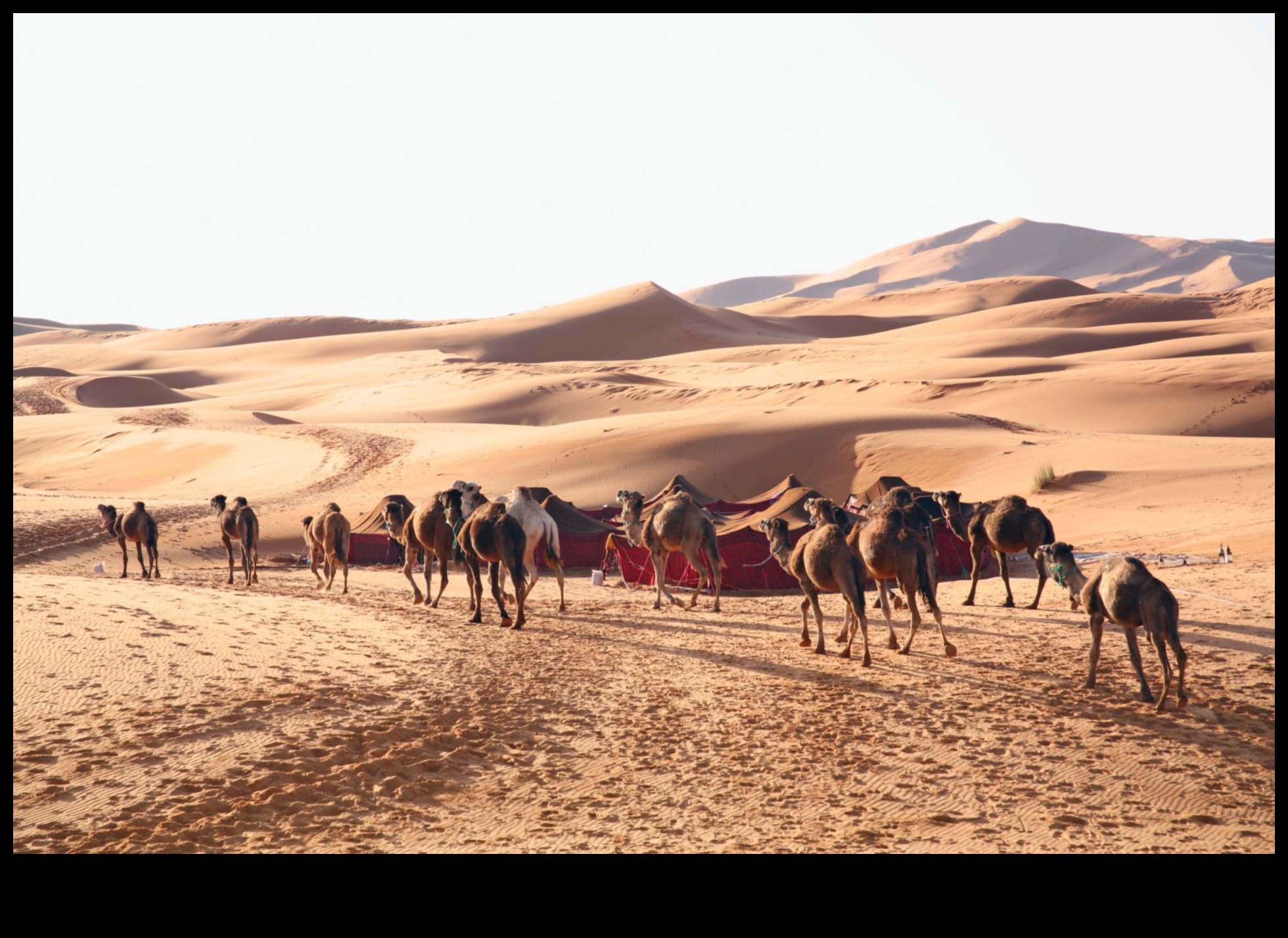
Impact of Climate Change on Desert Landscapes
Climate change is having a significant impact on desert landscapes, leading to rising temperatures, changing precipitation patterns, increased extreme events, desertification, loss of biodiversity, and threats to human health and well-being.
Rising Temperatures
Deserts are already experiencing some of the most extreme effects of climate change, with average temperatures rising twice as fast as the global average. This is leading to a number of changes in desert landscapes, including:
- Increased evaporation rates, which are drying out soils and vegetation
- Shifts in plant and animal ranges, as species are forced to move to cooler areas
- Increased frequency and intensity of heat waves, which can be deadly for both humans and wildlife
Changing Precipitation Patterns
Climate change is also leading to changes in precipitation patterns in deserts, with some areas becoming drier and others becoming wetter. This is having a number of impacts on desert landscapes, including:
- Increased flooding in areas that are becoming wetter, which can damage infrastructure and displace people
- Decreased water availability in areas that are becoming drier, which can stress plants and animals and make it difficult for people to live in these areas
- Changes in the timing of precipitation, which can disrupt plant growth and animal migration patterns
Increased Extreme Events
Climate change is also leading to an increase in the frequency and intensity of extreme events in deserts, such as heat waves, droughts, floods, and wildfires. These events can have a devastating impact on desert landscapes, leading to widespread damage to infrastructure, loss of life, and displacement of people.
Desertification
Desertification is the process by which fertile land becomes desert, and it is a major threat to desert landscapes. Desertification is caused by a number of factors, including climate change, overgrazing, and deforestation. Climate change is a major driver of desertification, as it is leading to drier conditions and more extreme weather events, which can both contribute to the degradation of land.
Loss of Biodiversity
Climate change is also having a significant impact on the biodiversity of desert landscapes. As desert conditions become more extreme, many species of plants and animals are being forced to move to cooler areas or they are simply dying off. This is leading to a loss of biodiversity, which can have a number of negative consequences, including:
- Reduced ecosystem services, such as pollination and water purification
- Increased risk of disease outbreaks
- Disruption of food webs
Threats to Human Health and Well-Being
Climate change is also having a number of negative impacts on human health and well-being in desert landscapes. These impacts include:
- Increased heat-related illnesses and deaths
- Increased water scarcity
- Increased risk of food insecurity
- Increased risk of vector-borne diseases
Adaptation and Mitigation Strategies
There are a number of adaptation and mitigation strategies that can be used to address the impacts of climate change on desert landscapes. These strategies include:
- Improving water management and conservation
- Reducing greenhouse gas emissions
- Protecting and restoring natural ecosystems
- Developing climate-resilient infrastructure
- Empowering local communities
Research Needs
There is a need for more research on the impacts of climate change on desert landscapes. This research is needed to better understand the risks and vulnerabilities of these landscapes, and to develop effective adaptation and mitigation strategies.
Question Answer
- What is the impact of climate change on desert landscapes?
- What are the specific threats that climate change poses to desert landscapes?
-
Feature Description Climate change The long-term alteration of temperature and precipitation patterns caused by human activities Desert landscape A region that receives less than 2mm of precipitation per year Desert preservation The protection and conservation of desert landscapes Environmental impact The negative effects of human activities on the environment Global warming The long-term increase in the average temperature of the Earth’s atmosphere II. Rising Temperatures
Rising temperatures are one of the most significant impacts of climate change on desert landscapes. As temperatures rise, desert plants and animals are forced to adapt or migrate to new areas. Some species may not be able to adapt and will die out, which could lead to a loss of biodiversity in desert ecosystems. Rising temperatures can also lead to increased evaporation, which can dry out soils and make it difficult for plants to grow. This can lead to desertification, which is the process of desertification, which is the process of turning once-fertile land into desert.
III. Changing Precipitation Patterns
Climate change is leading to changes in precipitation patterns in many parts of the world, including deserts. These changes are taking a number of forms, including:
Increased variability in precipitation. In some parts of the world, climate change is leading to more frequent and intense droughts, while in other areas it is leading to more frequent and intense rainfall events. This variability is making it difficult for desert plants and animals to adapt to the changing climate.
Shifts in the timing of precipitation. Climate change is also leading to changes in the timing of precipitation, with some areas receiving more rain in the winter and less rain in the summer, and vice versa. This can disrupt the life cycles of desert plants and animals, and make it difficult for them to survive.
Increased evaporation. Climate change is also leading to higher temperatures in many parts of the world, which is leading to increased evaporation. This can further dry out deserts and make it more difficult for plants and animals to survive.These changes in precipitation patterns are having a significant impact on desert landscapes. They are leading to the loss of vegetation, the degradation of soil, and the decline of wildlife populations. In some cases, these changes are also leading to the expansion of deserts into areas that were previously not desert.
The impacts of changing precipitation patterns on desert landscapes are likely to continue to worsen in the future, as climate change continues to progress. This will have a major negative impact on the biodiversity and sustainability of desert ecosystems.
IV. Increased Extreme Events
Climate change is also leading to an increase in the frequency and intensity of extreme events, such as heat waves, droughts, floods, and wildfires. These events can have a devastating impact on desert landscapes, causing widespread damage to vegetation and wildlife, and making it difficult for people to live and work in these areas.
For example, a recent study found that the frequency of heat waves in the Sahara Desert has increased by 50% since the 1960s. This increase in heat waves is likely due to climate change, and it is having a significant impact on the region’s ecosystem. Many plant and animal species are unable to tolerate the high temperatures, and as a result, their populations are declining.
In addition to heat waves, droughts are also becoming more common in desert regions. Droughts can last for months or even years, and they can severely impact the ability of plants and animals to survive. For example, a recent study found that a severe drought in the Sahel region of Africa caused the death of over million trees.
Floods and wildfires are also becoming more common in desert regions. Floods can cause widespread damage to infrastructure and property, and they can also lead to the loss of life. Wildfires can also be devastating, destroying vegetation and wildlife, and making it difficult for people to live and work in these areas.
The increase in extreme events is a major threat to the preservation of desert landscapes. These events are causing widespread damage to vegetation and wildlife, and they are making it difficult for people to live and work in these areas.
Desertification
Desertification is the process by which desert-like conditions are created in areas that were not previously deserts. It is caused by a combination of factors, including climate change, overgrazing, deforestation, and poor irrigation practices. Desertification can lead to a number of negative consequences, including loss of biodiversity, decreased agricultural productivity, and increased human migration.
6. Question Answer
* What is climate change? Climate change is a long-term change in the average weather patterns that have come to define Earth’s local, regional and global climates.
* What is the impact of climate change on desert landscapes? Climate change is having a significant impact on desert landscapes, including rising temperatures, changing precipitation patterns, increased extreme events, desertification, loss of biodiversity, threats to human health and well-being, and adaptation and mitigation strategies.
* How can people help to preserve desert landscapes in the face of climate change? There are a number of ways that people can help to preserve desert landscapes in the face of climate change, including reducing greenhouse gas emissions, conserving water, restoring degraded ecosystems, and supporting sustainable development.VII. Threats to Human Health and Well-Being
Climate change is also having a number of negative impacts on human health and well-being in desert landscapes. These impacts include:
- Increased heat stress
- Water scarcity
- Food insecurity
- Disease transmission
- Displacement
These impacts are likely to become more severe in the future, as climate change continues to progress.
Adaptation and Mitigation Strategies
Climate change is a global challenge, and there is no single solution that will work for all desert landscapes. However, there are a number of adaptation and mitigation strategies that can be implemented to help reduce the impacts of climate change on desert landscapes.
Some of the key adaptation strategies include:
-
Improving water management and conservation
-
Reducing the risk of wildfires
-
Protecting and restoring native vegetation
-
Developing drought-tolerant crops
Some of the key mitigation strategies include:
-
Reducing greenhouse gas emissions
-
Investing in renewable energy
-
Conserving forests
-
Improving agricultural practices
By implementing these strategies, we can help to reduce the impacts of climate change on desert landscapes and protect the biodiversity and ecosystem services that they provide.
IX. Research Needs
The research needs related to the impact of climate change on desert landscapes are vast and varied. Some of the most pressing research needs include:
- A better understanding of the specific impacts of climate change on desert landscapes, including changes in temperature, precipitation, and extreme events.
- A better understanding of how climate change is affecting the ability of desert plants and animals to survive.
- A better understanding of the threats that climate change poses to human health and well-being in desert regions.
- The development of adaptation and mitigation strategies to help desert landscapes cope with the impacts of climate change.
- The development of research methods and tools to better study the impact of climate change on desert landscapes.
Addressing these research needs is essential for developing effective strategies to protect desert landscapes and the people and wildlife that depend on them.
Popular Questions
Q: What is the impact of climate change on desert landscapes?
A: Climate change is having a significant impact on desert landscapes, leading to rising temperatures, changing precipitation patterns, increased extreme events, desertification, loss of biodiversity, and threats to human health and well-being.
Q: What are the specific threats that climate change poses to desert landscapes?
A: The specific threats that climate change poses to desert landscapes include:
- Rising temperatures
- Changing precipitation patterns
- Increased extreme events
- Desertification
- Loss of biodiversity
- Threats to human health and well-being
Q: What can be done to help preserve desert landscapes in the face of climate change?
A: There are a number of things that can be done to help preserve desert landscapes in the face of climate change, including:
- Adapting to the changing climate
- Mitigating the effects of climate change
- Conserving and restoring desert ecosystems
- Educating people about the importance of desert landscapes