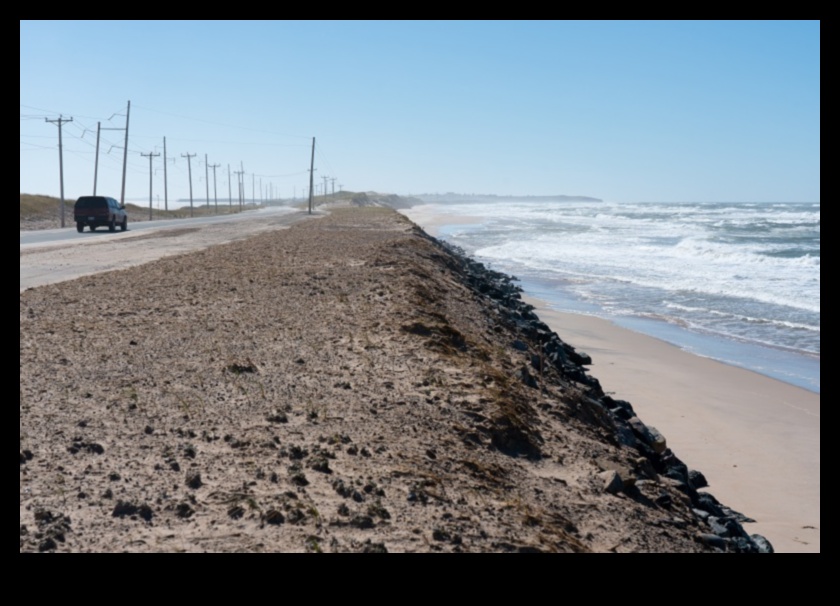
Coastal erosion is the process by which waves and currents erode the land along coastlines. This can occur through a variety of mechanisms, including:
- Waves breaking against cliffs and eroding the rock
- Waves carrying sediment along the coast and depositing it in other areas
- Currents flowing along the coast and eroding the sediment
Coastal erosion can have a significant impact on cliffs and shorelines, as it can cause them to retreat inland. This can lead to the loss of beaches, wetlands, and other coastal habitats, as well as damage to infrastructure and property.
Causes of Coastal Erosion
There are a number of factors that can contribute to coastal erosion, including:
- Natural factors, such as waves, currents, and tides
- Human activities, such as development, dredging, and pollution
Natural factors are the primary cause of coastal erosion. Waves and currents are constantly eroding the coastline, and this process is accelerated by storms and other extreme weather events. Tides also play a role in coastal erosion, as they can cause waves to reach further inland and erode the coastline.
Human activities can also contribute to coastal erosion. Development along the coast can increase the amount of sediment that is available to be eroded by waves and currents. Dredging and other activities that disturb the sediment on the bottom of the ocean can also increase the amount of sediment that is available to be eroded. Pollution can also contribute to coastal erosion by damaging the organisms that help to stabilize the coastline.
Effects of Coastal Erosion
Coastal erosion can have a number of negative effects, including:
- Loss of beaches, wetlands, and other coastal habitats
- Damage to infrastructure and property
- Increased risk of flooding and storm surge
- Loss of tourism revenue
The loss of beaches, wetlands, and other coastal habitats can have a significant impact on the environment. These areas provide important habitat for a variety of plants and animals, and they also help to protect the coast from storms and flooding. The damage to infrastructure and property can also be significant, and it can lead to economic losses for communities that depend on tourism.
Coastal erosion can also increase the risk of flooding and storm surge. As the coastline retreats inland, it leaves less land to protect communities from these hazards. This can lead to more flooding and storm surge damage, which can have a devastating impact on communities.
The loss of tourism revenue can also be a significant impact of coastal erosion. Coastal areas are popular tourist destinations, and the loss of beaches and other coastal attractions can lead to a decline in tourism revenue. This can have a negative impact on the economy of communities that depend on tourism.
Solutions to Coastal Erosion
There are a number of solutions that can be used to address coastal erosion, including:
- Hard engineering measures, such as seawalls and breakwaters
- Soft engineering measures, such as beach nourishment and dune restoration
- Managed retreat, which involves allowing the coastline to retreat inland
Hard engineering measures are structures that are built to protect the coastline from erosion. Seawalls are walls that are built along the coast to prevent waves from reaching the land. Breakwaters are structures that are built offshore to dissipate the energy of waves before they reach the coast.
Soft engineering measures are natural or man-made structures that are used to restore or protect beaches and dunes. Beach nourishment involves adding sand to beaches that have been eroded. Dune restoration involves planting vegetation on dunes to help stabilize them.
Managed retreat is a strategy that involves allowing the coastline to retreat inland. This can be done by relocating buildings and infrastructure away from the coast, or
| Feature | Description |
|---|---|
| Coastal erosion | The gradual wearing away of land along coastlines by waves, tides, and other coastal processes. |
| Cliffs | Steep, vertical or overhanging slopes of rock that form along coastlines. |
| Shoreline | The area of land that borders a body of water, such as a lake or ocean. |
| Sediment | Particles of sand, gravel, or other materials that are carried by water or wind and deposited on land or the bottom of a body of water. |
| Waves | Oscillations of water that travel in a circular motion and cause the water to rise and fall. |
II. Causes of Coastal Erosion
Coastal erosion is a natural process that occurs when waves and other coastal processes remove sediment from the coast. This can be caused by a number of factors, including:
- Wave energy: The energy of waves is a major factor in coastal erosion. Waves that are strong and have a long fetch (the distance over which the waves travel) can cause more erosion than weaker waves.
- Sediment supply: The amount of sediment available to be eroded is also a factor in coastal erosion. If there is a lot of sediment available, waves will be able to erode it more easily.
- Bathymetry: The shape of the coastline can also affect coastal erosion. Coastlines that are steep and have a lot of cliffs are more vulnerable to erosion than coastlines that are more gently sloping.
- Climate change: Climate change is also expected to increase coastal erosion by causing sea levels to rise. This will increase the amount of wave energy that reaches the coast and make it more difficult for beaches to recover from erosion.
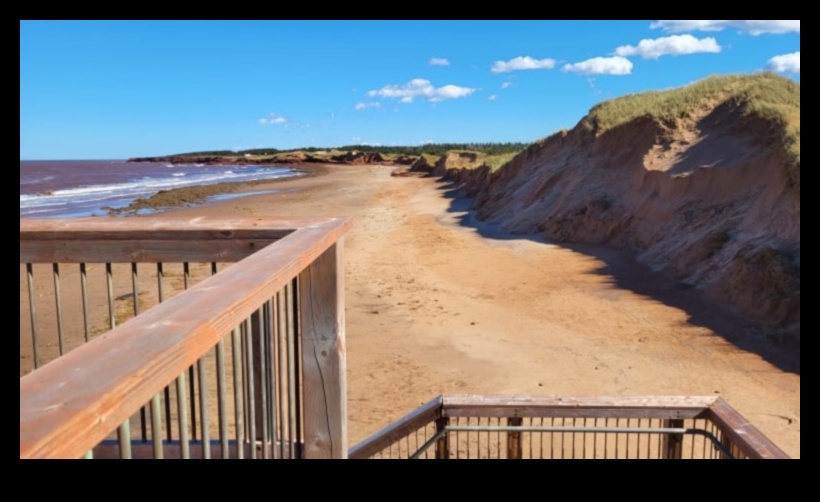
III. Effects of Coastal Erosion
Coastal erosion can have a number of negative effects on coastal ecosystems, communities, and infrastructure. These effects include:
Loss of habitat: Coastal erosion can destroy important habitat for a variety of marine and coastal species, including fish, shellfish, sea turtles, and shorebirds.
Damage to infrastructure: Coastal erosion can damage or destroy roads, bridges, buildings, and other infrastructure that is located near the coast.
Economic impacts: Coastal erosion can cost coastal communities millions of dollars in lost tourism revenue, property damage, and increased flood insurance premiums.
Social impacts: Coastal erosion can displace people from their homes and communities, and it can also lead to increased social conflict and tension.
Coastal erosion is a serious problem that is only going to get worse as the climate changes and sea levels rise. It is important to take steps to mitigate the effects of coastal erosion and to protect coastal communities and ecosystems.
IV. Solutions to Coastal Erosion
There are a number of different solutions to coastal erosion, each with its own advantages and disadvantages. Some of the most common solutions include:
- Hard engineering measures, such as seawalls and breakwaters, which are designed to protect coastlines from erosion by waves and other coastal hazards.
- Soft engineering measures, such as beach nourishment and dune restoration, which are designed to restore or enhance natural coastal features that help to protect coastlines from erosion.
- Managed retreat, which involves allowing coastal areas to naturally erode and retreat back from the shoreline.
The best solution for coastal erosion will vary depending on the specific location and the specific needs of the community. It is important to carefully consider all of the potential solutions before making a decision.
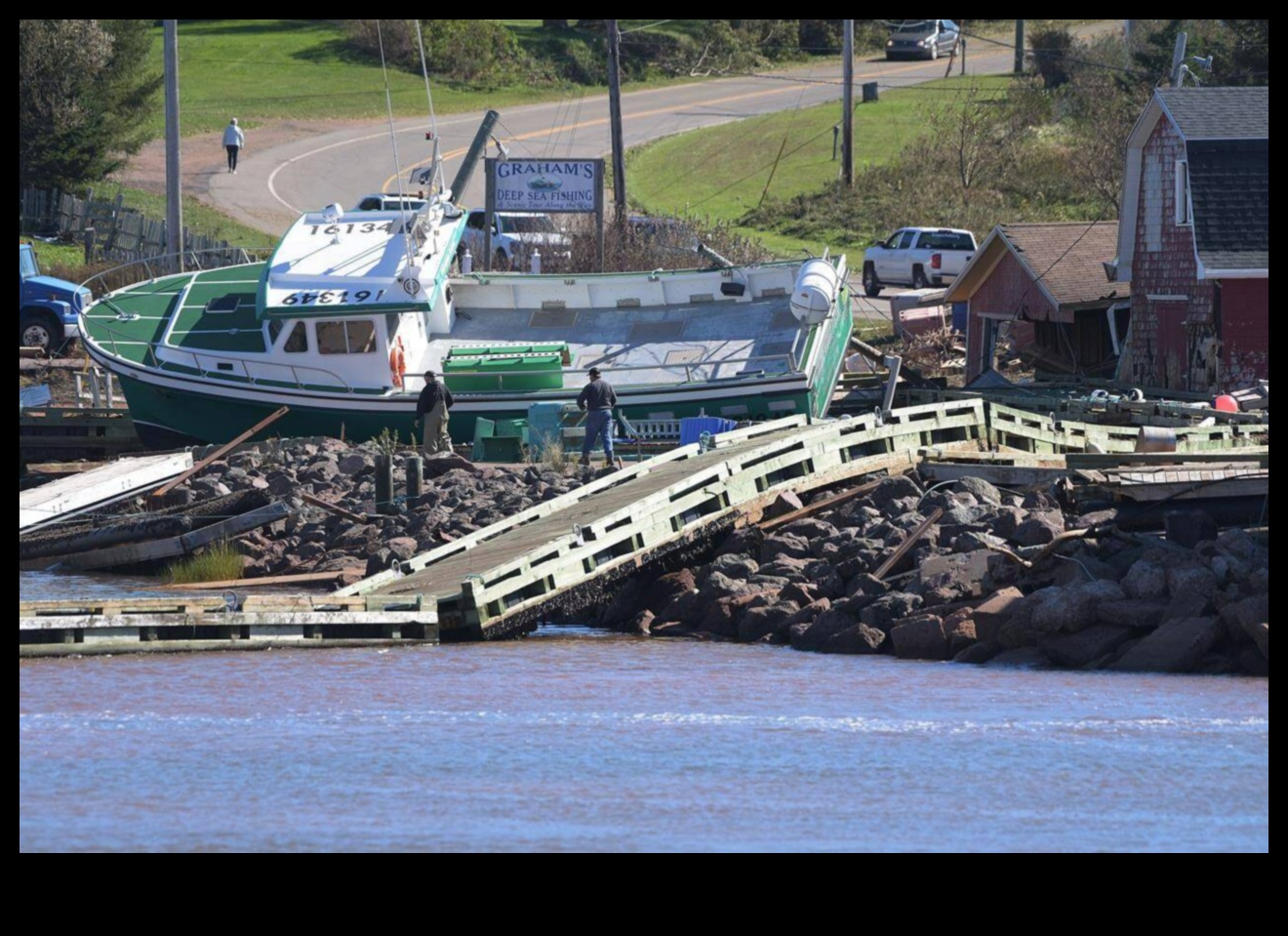
V. Prevention of Coastal Erosion
Prevention of coastal erosion is a complex and challenging task, as it involves addressing a variety of factors that contribute to the process. However, there are a number of measures that can be taken to help reduce the risk of coastal erosion, including:
- Reducing the amount of sediment available for erosion. This can be done by building sediment traps, such as groynes or breakwaters, or by restoring wetlands and other coastal habitats that help to trap sediment.
- Protecting coastal structures from erosion. This can be done by building seawalls, revetments, or other structures that help to protect structures from the effects of waves and currents.
- Relocating structures that are at risk of erosion. In some cases, it may be necessary to relocate structures that are at high risk of being damaged or destroyed by coastal erosion.
- Educating the public about coastal erosion. By raising awareness of the causes and impacts of coastal erosion, the public can be better equipped to take steps to reduce their own risk of being affected by coastal erosion.
Prevention of coastal erosion is an important part of coastal management, as it can help to protect communities and infrastructure from the damaging effects of coastal erosion. By taking steps to reduce the risk of coastal erosion, we can help to ensure that our coasts remain healthy and resilient for generations to come.
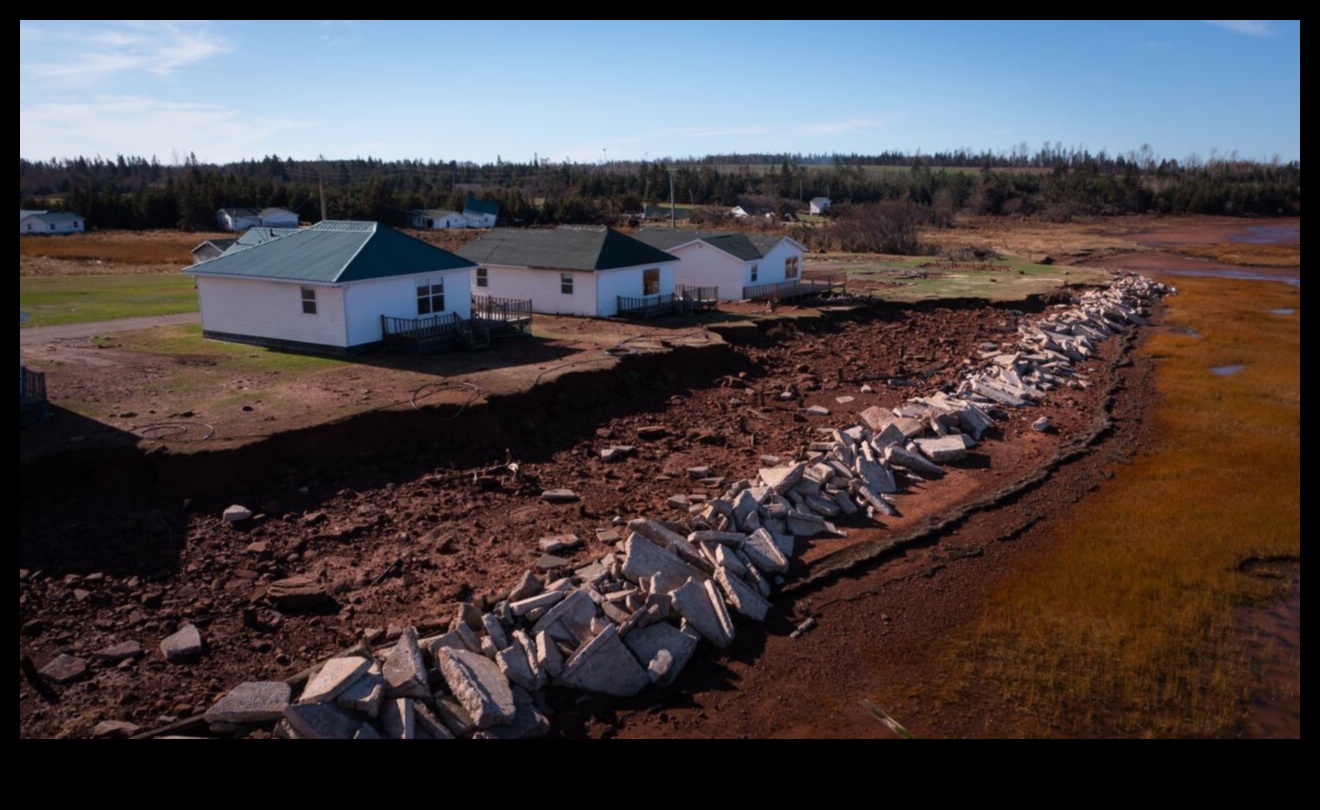
VI. Mitigation of Coastal Erosion
Mitigation of coastal erosion is the process of reducing the impacts of coastal erosion. There are a number of different ways to mitigate coastal erosion, including:
- Shoreline protection structures, such as seawalls, breakwaters, and revetments
- Beach nourishment, which involves adding sand to beaches to restore their natural profile
- Managed retreat, which involves relocating structures away from the shoreline
- Soft engineering techniques, such as planting vegetation and creating dunes
The best way to mitigate coastal erosion depends on the specific location and the specific threats posed by coastal erosion. Shoreline protection structures are often the most effective way to mitigate coastal erosion, but they can be expensive and disruptive to the natural environment. Beach nourishment can be a more cost-effective option, but it is not always sustainable in the long term. Managed retreat is the most environmentally friendly option, but it can be difficult to implement politically. Soft engineering techniques can be used to mitigate coastal erosion in a variety of ways, and they are often the most cost-effective and environmentally friendly option.
Mitigation of coastal erosion is an important part of coastal management. By taking steps to mitigate coastal erosion, we can help to protect coastal communities and ecosystems from the impacts of climate change.
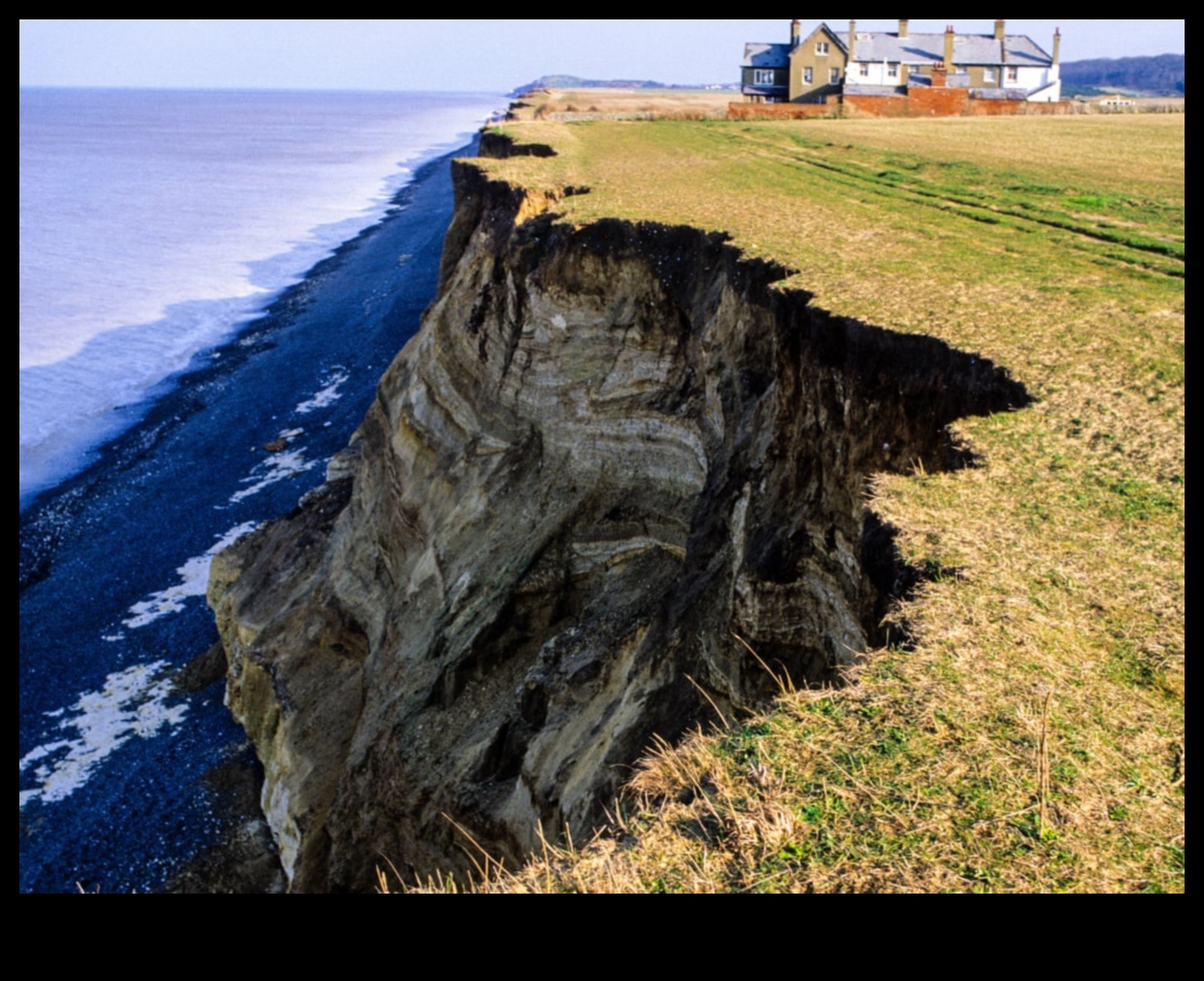
VII. Management of Coastal Erosion
Coastal erosion is a complex problem that requires a variety of management strategies to address. These strategies can be divided into two main categories: hard measures and soft measures.
Hard measures are structures that are built to protect the coast from erosion, such as seawalls, breakwaters, and revetments. These structures can be effective in preventing erosion, but they can also have negative environmental impacts, such as disrupting sediment transport and creating unnatural habitats.
Soft measures are non-structural approaches to managing coastal erosion, such as beach nourishment, dune restoration, and vegetation planting. These measures can be less effective than hard measures in preventing erosion, but they are often more environmentally sustainable.
The best management strategy for a particular coastal area will depend on a number of factors, including the rate of erosion, the type of coastline, and the surrounding environment.
Coastal erosion is a serious problem, but it is one that can be managed. By using a combination of hard and soft measures, it is possible to protect coastal communities and ecosystems from the effects of erosion.
Case Studies of Coastal Erosion
Coastal erosion is a global problem that affects coastlines around the world. The following are some case studies of coastal erosion that illustrate the different factors that can contribute to this process:
-
The United States: The coastline of the United States is constantly changing due to a variety of factors, including coastal erosion. One of the most famous examples of coastal erosion in the United States is Cape Cod, Massachusetts. Cape Cod is a peninsula that is constantly being eroded by the waves of the Atlantic Ocean. The erosion of Cape Cod is caused by a number of factors, including the long fetch of the Atlantic Ocean, the strong waves that are generated by storms, and the lack of natural barriers to protect the coastline.
-
Europe: The coastline of Europe is also experiencing coastal erosion. One of the most famous examples of coastal erosion in Europe is the Cliffs of Dover, England. The Cliffs of Dover are a series of chalk cliffs that are located on the English Channel. The erosion of the Cliffs of Dover is caused by a number of factors, including the strong waves that are generated by storms, the lack of vegetation to hold the cliffs together, and the rising sea level.
-
Australia: The coastline of Australia is also experiencing coastal erosion. One of the most famous examples of coastal erosion in Australia is the Great Barrier Reef. The Great Barrier Reef is the largest coral reef system in the world. The erosion of the Great Barrier Reef is caused by a number of factors, including the rising sea level, the increased frequency and intensity of storms, and the sedimentation of the reef.
These are just a few examples of coastal erosion that is occurring around the world. Coastal erosion is a serious problem that can have a significant impact on the environment, the economy, and the people who live in coastal communities.
Coastal erosion is a natural process that has been occurring for centuries. However, human activities have accelerated the rate of coastal erosion in recent decades, leading to significant damage to coastal ecosystems and infrastructure.
There are a number of ways to mitigate the effects of coastal erosion, including beach nourishment, seawalls, and breakwaters. However, these solutions are often expensive and not always effective.
The best way to protect coastal communities from coastal erosion is to reduce our reliance on fossil fuels and adopt sustainable practices that reduce our impact on the environment.
Coastal erosion is a complex issue with no easy solutions. However, by working together, we can find ways to protect our coastlines and ensure that future generations can enjoy the benefits of living near the sea.
Typical Topics
Q: What is coastal erosion?
A: Coastal erosion is the gradual wearing away of land along the coast by the action of waves, tides, and currents.
Q: What are the causes of coastal erosion?
A: The main causes of coastal erosion are:
- Natural processes, such as waves, tides, and currents
- Human activities, such as development, pollution, and climate change
Q: What are the effects of coastal erosion?
A: The effects of coastal erosion can be both physical and economic.
- Physical effects:
- Loss of land and property
- Damage to infrastructure
- Inundation of coastal areas
- Economic effects:
- Loss of tourism revenue
- Increased costs for coastal protection
- Disruption to businesses