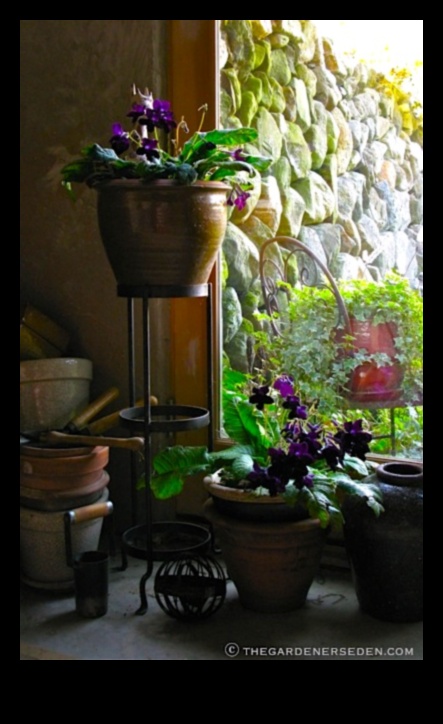
How to Grow Plants Indoors
Indoor gardening is a great way to enjoy fresh produce and flowers, even if you don’t have a lot of space. With the right plants, lighting, and care, you can grow a thriving indoor garden in any home.
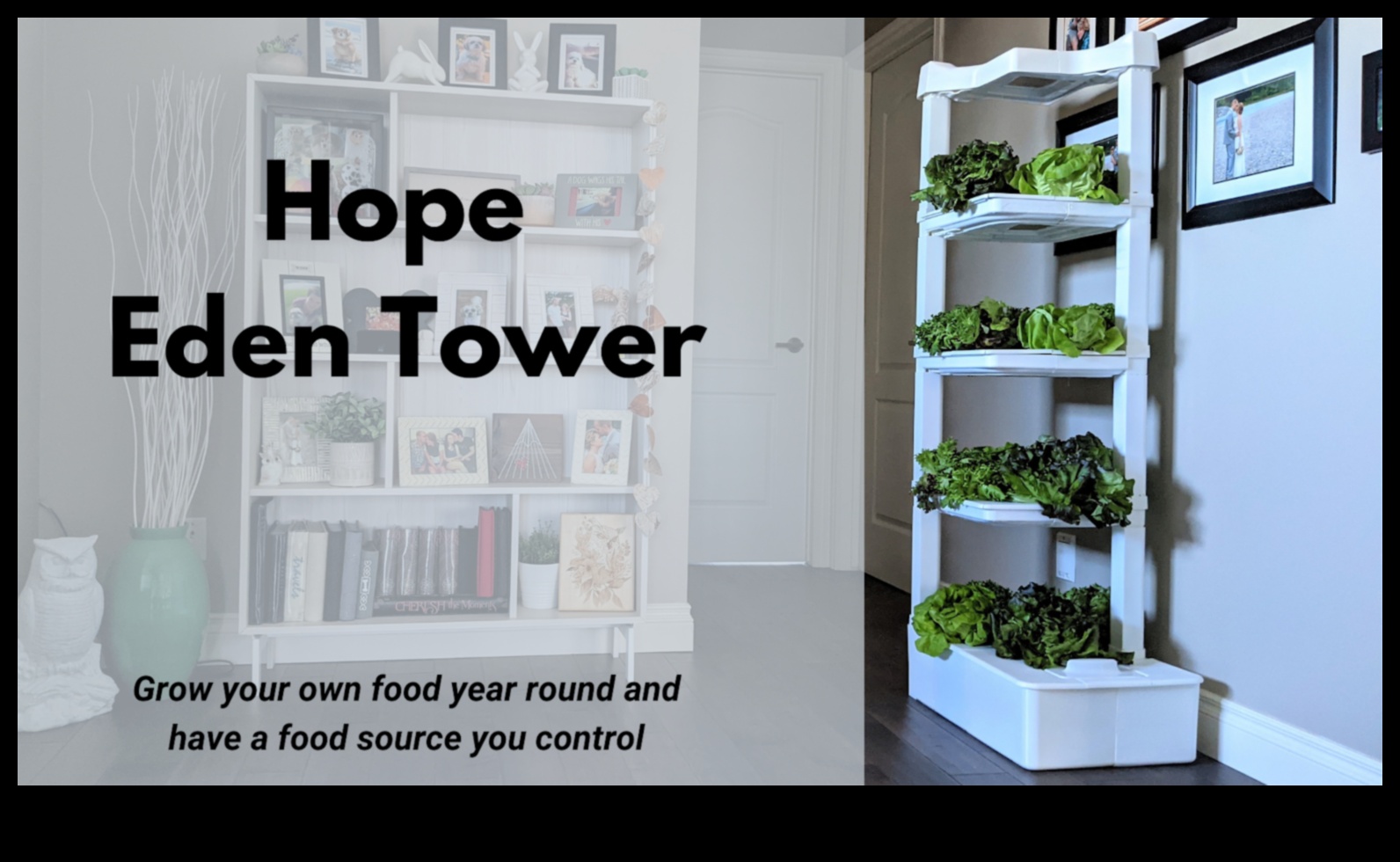
Benefits of Indoor Gardening
- Fresh produce: You can grow your own fruits, vegetables, and herbs, so you always have fresh, healthy food on hand.
- Flowers: Indoor plants can add beauty and fragrance to your home.
- Reduced stress: Studies have shown that spending time in nature can reduce stress and improve mood.
- Improved air quality: Plants can help to improve air quality by removing toxins and pollutants.
Types of Indoor Gardens
- Window boxes: Window boxes are a great way to grow herbs, flowers, and small vegetables.
- Terrariums: Terrariums are enclosed gardens that can be used to grow a variety of plants, including succulents, cacti, and ferns.
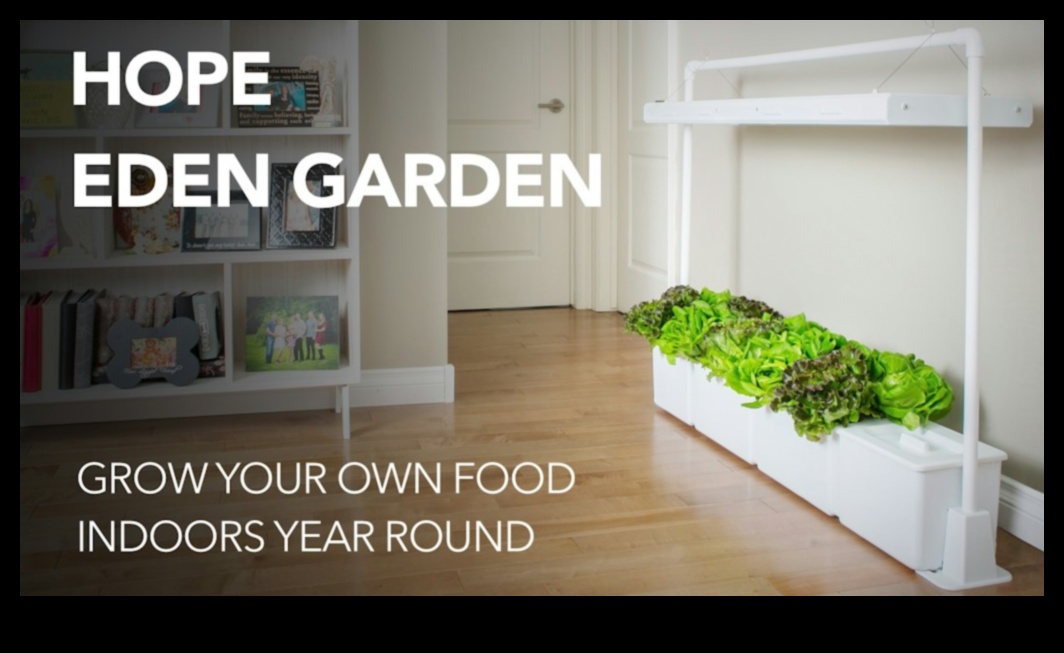
- Hydroponic gardens: Hydroponic gardens grow plants in water instead of soil. This method can be used to grow a variety of plants, including tomatoes, lettuce, and strawberries.
Choosing the Right Plants for Your Indoor Garden
When choosing plants for your indoor garden, it is important to consider the following factors:
- Light: The amount of light your indoor garden receives will determine the types of plants you can grow.
- Water: Plants need water to survive, but too much water can cause root rot.
- Temperature: Plants need a certain temperature range to thrive.
- Humidity: Plants need a certain level of humidity to stay healthy.
How to Set Up Your Indoor Garden
Once you have chosen the right plants for your indoor garden, you need to set up your garden. Here are a few tips:
- Choose a location that receives plenty of light.
- Use a well-draining potting mix.
- Water your plants regularly.
- Fertilize your plants according to the package directions.
How to Care for Your Indoor Plants
Caring for your indoor plants is important to keep them healthy and thriving. Here are a few tips:
- Water your plants regularly, but do not overwater them.
- Fertilize your plants according to the package directions.
- Prune your plants regularly to remove dead or diseased leaves.
- Rotate your plants regularly to ensure they receive even light.
Common Problems with Indoor Gardens
There are a few common problems that can occur with indoor gardens. Here are a few tips to help you troubleshoot problems:
- Leggy plants: Leggy plants are a sign that your plants are not getting enough light. Move your plants to a brighter location or add artificial light.
- Yellow leaves: Yellow leaves are a sign that your plants are not getting enough water. Water your plants more frequently.
- Brown leaves: Brown leaves are a sign that your plants are getting too much water. Allow the soil to dry out between waterings.
How to Harvest Your Indoor Crops
When your plants are ready to harvest, simply cut them off at the base of the stem. Here are a few tips for harvesting your indoor crops:
- Harvest your crops when they are ripe.
- Harvest your crops in the morning or evening when the air is cooler.
- Store your crops in a cool, dry place.
Tips for Growing Indoor Herbs
| LSI Keywords | Answer |
|---|---|
| garden | A garden is a space where plants are grown. |
| indoor gardening | Indoor gardening is the practice of growing plants indoors. |
| grow plants indoors | Growing plants indoors can be a fun and rewarding experience. |
| houseplants | Houseplants are plants that are grown indoors. |
| hydroponics | Hydroponics is a method of growing plants without soil. |
II. Benefits of Indoor Gardening
Indoor gardening offers a number of benefits, including:
- It can be a great way to add beauty and life to your home or office.
- It can help to improve your air quality by removing toxins and pollutants.
- It can be a fun and rewarding hobby that can help you to relax and de-stress.
- It can be a great way to learn about plants and nature.
- It can help you to save money on your grocery bill by growing your own food.
III. Types of Indoor Gardens
There are many different types of indoor gardens, each with its own unique advantages and disadvantages. Some of the most popular types of indoor gardens include:
- Terrariums are enclosed gardens that are typically made from glass or plastic. They are a great option for people who live in small spaces or who don’t have a lot of time to maintain a garden.
- Window boxes are a great way to add greenery to your home without taking up a lot of space. They can be placed on windowsills or other sunny spots in your home.
- Hanging gardens are a great way to add vertical interest to your home. They can be hung from ceilings or walls, and they can be used to grow a variety of plants, including flowers, herbs, and vegetables.
- Hydroponic gardens are gardens that grow plants in water instead of soil. This type of garden is a great option for people who live in areas with poor soil conditions or who don’t have a lot of time to water their plants.
- Indoor greenhouses are a great way to extend your growing season and grow a variety of plants, including fruits, vegetables, and flowers. They can be purchased or built, and they can be placed in any room in your home.
Each type of indoor garden has its own unique advantages and disadvantages. When choosing a type of indoor garden, it is important to consider your personal needs and preferences.
IV. Choosing the Right Plants for Your Indoor GardenWhen choosing plants for your indoor garden, it is important to consider the following factors:
- The amount of light available
- The temperature and humidity levels
- The size of your space
- Your personal preferences
Once you have considered these factors, you can start to narrow down your choices. Here are some popular plants that are well-suited for indoor growth:
- Ficus trees
- Snake plants
- ZZ plants
- Pothos
- Peace lilies
These plants are all relatively easy to care for and can tolerate a wide range of conditions. However, it is important to note that each plant has its own specific needs, so be sure to do your research before you bring a new plant home.
For more information on choosing the right plants for your indoor garden, please visit the following resources:
- Gardening Know How: Choosing Indoor Plants
- The Spruce: Best Indoor Plants for Beginners
- BHG: Tips for Choosing Indoor Plants
V. How to Set Up Your Indoor Garden
Setting up an indoor garden can be a fun and rewarding experience, but it is important to do your research and plan ahead in order to ensure success. Here are a few tips for setting up your indoor garden:
- Choose the right location for your garden. Indoor gardens can be placed in any room in your home, but it is important to choose a location that receives plenty of sunlight. If you do not have a lot of natural light, you can use grow lights to supplement the amount of light your plants receive.
- Choose the right plants for your garden. There are many different types of plants that can be grown indoors, but it is important to choose plants that are suited for the conditions in your home. Some factors to consider when choosing plants include the amount of light, water, and humidity your plants will need.
- Prepare the soil for your plants. The type of soil you use will depend on the plants you are growing. If you are not sure what type of soil to use, you can purchase a commercial potting mix that is specifically designed for indoor plants.
- Pot your plants. When planting your indoor plants, it is important to choose pots that are the right size for the plants. The pot should be deep enough to accommodate the roots of the plant, but not so large that the soil becomes waterlogged.
- Water your plants regularly. Indoor plants need to be watered regularly, but the frequency of watering will depend on the type of plants you are growing. Some plants, such as succulents, require very little water, while other plants, such as tropical plants, need to be watered more often.
- Fertilize your plants regularly. Indoor plants need to be fertilized regularly in order to get the nutrients they need to grow and thrive. The frequency of fertilization will depend on the type of plants you are growing.
- Prune your plants regularly. Pruning your plants helps to keep them healthy and encourages new growth. The frequency of pruning will depend on the type of plants you are growing.
By following these tips, you can set up an indoor garden that will provide you with years of enjoyment.
VI. How to Care for Your Indoor PlantsCaring for your indoor plants is essential to keeping them healthy and thriving. Here are a few tips on how to care for your indoor plants:
- Provide your plants with the right amount of light. Most plants need bright, indirect sunlight, but some plants can tolerate low-light conditions.
- Water your plants regularly, but make sure not to overwater them. The best way to tell if your plant needs water is to stick your finger in the soil. If the soil is dry to the touch, it’s time to water your plant.
- Fertilize your plants regularly, especially during the growing season. Use a fertilizer that is specifically designed for indoor plants.
- Prune your plants regularly to remove dead leaves and stems. This will help to keep your plants healthy and looking their best.
- Repot your plants as needed. If your plant is rootbound, it’s time to repot it into a larger pot.
By following these tips, you can help your indoor plants thrive and enjoy them for many years to come.
VII. Common Problems with Indoor Gardens
Indoor gardens can be a great way to bring the outdoors in, but they can also come with some challenges. Here are some of the most common problems that indoor gardeners face, and how to overcome them:
-
Lack of sunlight. This is the most common problem faced by indoor gardeners, as most homes don’t have enough natural light to support healthy plant growth. If you don’t have a lot of natural light, you can use artificial grow lights to supplement the sun’s rays.
-
Dry air. Indoor air can be very dry, especially during the winter months. This can dry out your plants’ leaves and make them more susceptible to pests and diseases. To help keep your plants hydrated, mist them regularly with water and place them in a humid location, such as a bathroom or kitchen.
-
Overwatering. It’s easy to overwater indoor plants, as they don’t have the same drainage options as outdoor plants. When you water your plants, make sure to only water the soil until it’s moist, and then let the excess water drain out.
-
Underwatering. Just as it’s easy to overwater indoor plants, it’s also easy to underwater them. When you underwater your plants, their leaves will start to wilt and turn yellow. To avoid this, make sure to water your plants regularly, and check the soil to make sure it’s moist before watering again.
-
Pests and diseases. Indoor plants can be susceptible to a variety of pests and diseases, such as aphids, mealybugs, spider mites, and powdery mildew. To prevent pests and diseases from attacking your plants, keep them clean and free of dust, and inspect them regularly for signs of infestation. If you do find pests or diseases on your plants, you can treat them with a commercial pesticide or fungicide.
By following these tips, you can help to avoid the most common problems with indoor gardens and keep your plants healthy and thriving.
How to Harvest Your Indoor Crops
Harvesting your indoor crops is a rewarding experience that can help you save money on your grocery bill and enjoy fresh, healthy produce all year round. Here are some tips for harvesting your indoor crops:
- Choose crops that are suited for indoor growth. Some good choices include tomatoes, peppers, cucumbers, herbs, and leafy greens.
- Start by watering your plants well before you harvest them. This will help to prevent the leaves from wilting.
- Use a sharp knife or scissors to cut the stems of your plants. Be sure to leave a few inches of stem attached to the plant so that it can continue to grow.
- Harvesting your crops regularly will encourage the plants to produce more fruit or vegetables.
Once you have harvested your crops, you can enjoy them fresh or store them for later use. Here are some tips for storing your indoor crops:
- Store tomatoes, peppers, and cucumbers in a cool, dry place.
- Store herbs in a glass jar filled with water.
- Store leafy greens in a sealed plastic bag in the refrigerator.
By following these tips, you can easily harvest and store your indoor crops so that you can enjoy them all year long.
Tips for Growing Indoor HerbsGrowing herbs indoors is a great way to have fresh herbs on hand all year round. Here are a few tips for growing herbs indoors:
- Choose the right herbs for your indoor garden. Some herbs, such as basil, mint, and parsley, are more tolerant of indoor conditions than others.
- Provide the right conditions for your herbs. Herbs need plenty of sunlight, water, and nutrients to thrive.
- Repot your herbs as needed. Herbs will eventually outgrow their pots, so it’s important to repot them as needed to give them room to grow.
- Prune your herbs regularly. Pruning helps to keep your herbs healthy and encourages new growth.
- Harvest your herbs regularly. Harvesting your herbs helps to keep them producing new growth.
With a little care, you can grow a beautiful and productive indoor herb garden.
Most Asked Questions
Here are some common questions about indoor gardening, along with answers to help you get started:
Q: What are the benefits of indoor gardening?
A: There are many benefits to growing plants indoors, including:
- Fresh air and greenery can improve your mood and reduce stress.
- Indoor plants can help purify the air and remove toxins.
- Plants can help to improve your home’s overall appearance.
- Growing your own food can save you money and help you eat healthier.
Q: What are the different types of indoor gardens?
A: There are many different types of indoor gardens, including:
- Terrariums and mini-gardens
- Window boxes and hanging baskets
- Grow lights and hydroponic systems
- Outdoor gardens that are protected from the elements
Q: What are the best plants for indoor gardening?
A: The best plants for indoor gardening vary depending on your climate, the amount of light you have available, and your personal preferences. Some popular choices include:
- Ficus trees
- Snake plants
- Pothos
- ZZ plants
- African violets