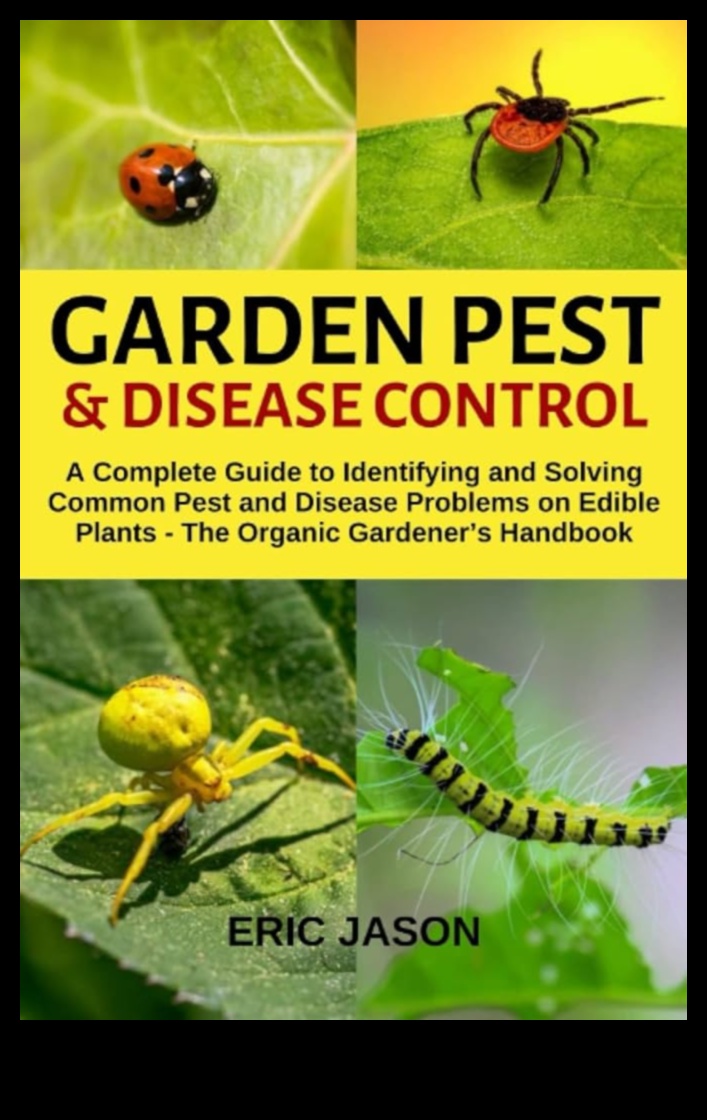
Battling Garden Bugs: A Gardener’s Guide to Pest Mastery
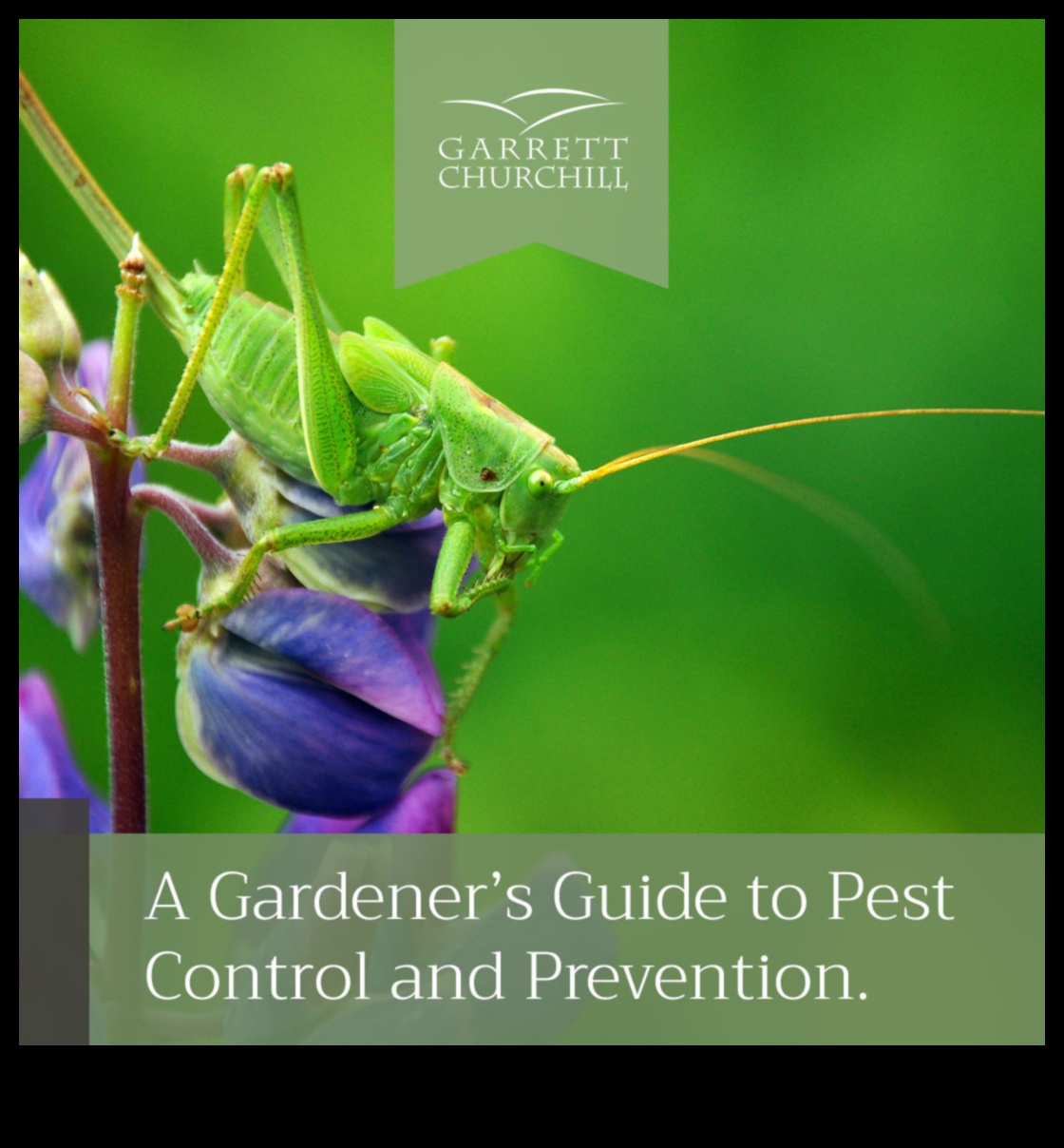
Garden pests can be a major headache for gardeners, but there are many things you can do to control them without resorting to harsh chemicals. This guide will provide you with information on how to identify and treat common garden pests, as well as tips on how to create a garden that is less attractive to pests.
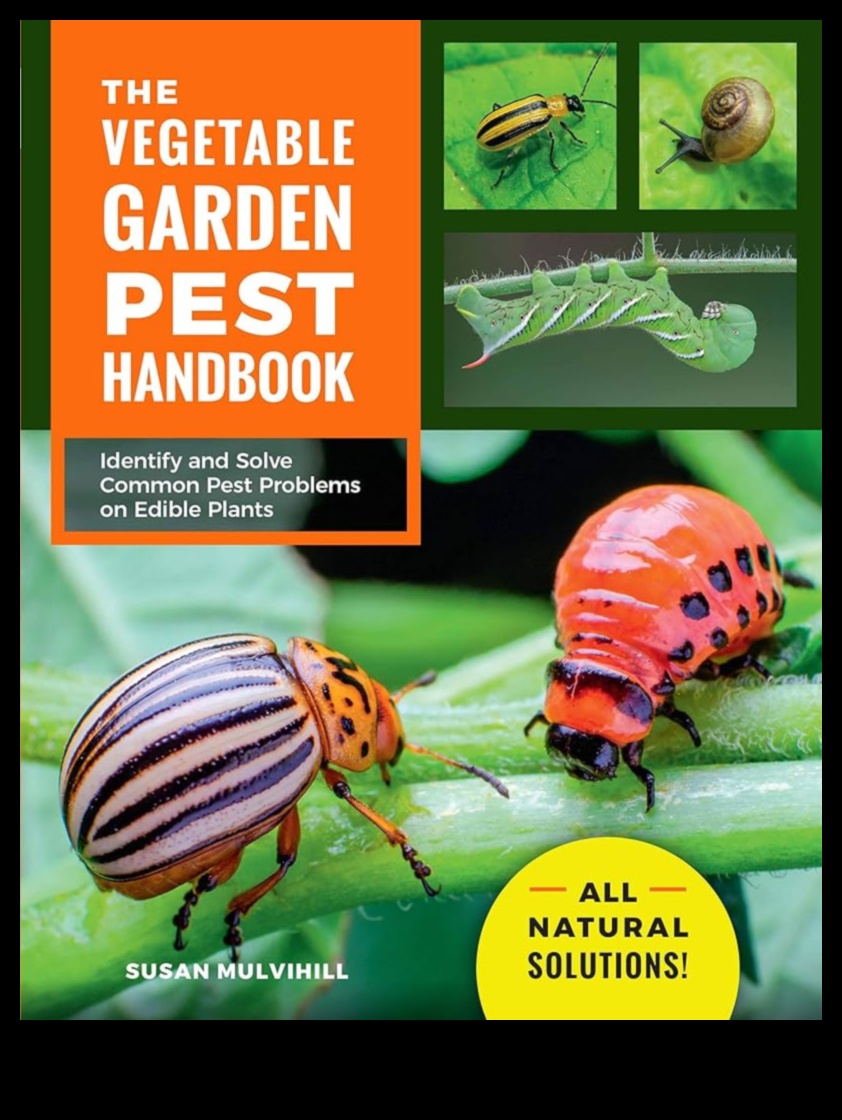
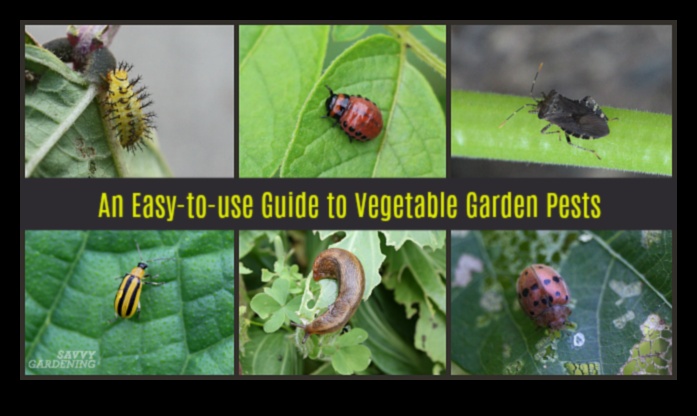
Garden pests are any animals or insects that can damage plants or interfere with their growth. Some of the most common garden pests include aphids, caterpillars, Colorado potato beetles, earwigs, Japanese beetles, moles, and rabbits.
Pests can cause a variety of problems in the garden, including:
- Defoliating plants
- Sucking sap from plants
- Eating roots or fruits
- Transmitting diseases
Controlling garden pests can be a challenge, but it is important to take steps to protect your plants. By following the tips in this guide, you can create a garden that is less attractive to pests and reduce the damage they can cause.
Beneficial insects
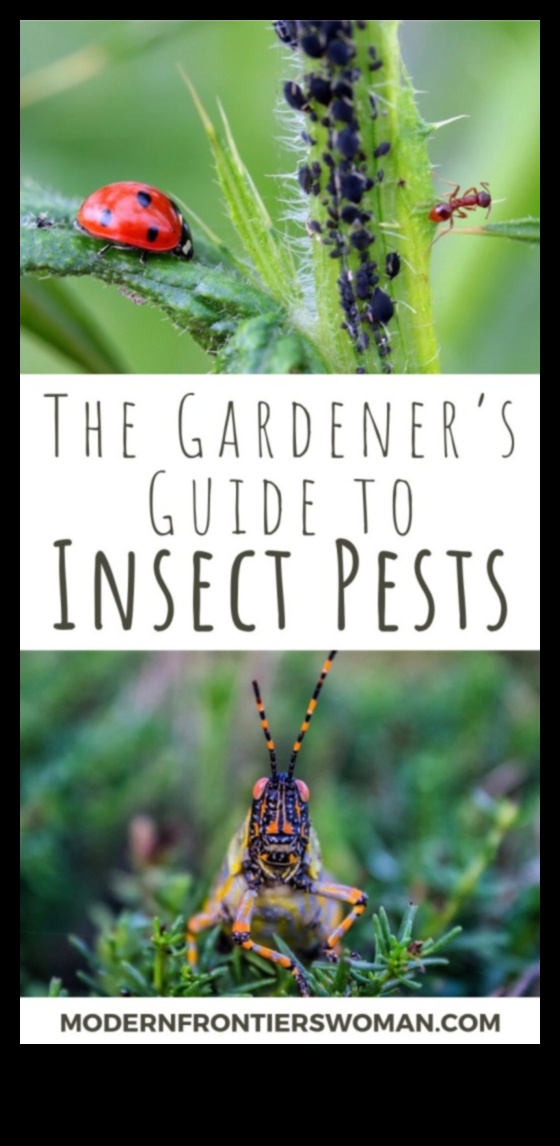
One of the best ways to control garden pests is to attract beneficial insects to your garden. Beneficial insects are predators or parasites of other insects, and they can help to keep pest populations in check. Some of the most common beneficial insects include ladybugs, lacewings, parasitic wasps, and praying mantises.
You can attract beneficial insects to your garden by providing them with food, shelter, and water. Some ways to do this include:
- Planting flowers that attract beneficial insects
- Providing a water source for beneficial insects
- Creating a compost pile or leaving some dead leaves in the garden
By attracting beneficial insects to your garden, you can help to reduce the need for chemical pesticides.
Natural repellents
There are a number of natural repellents that can be used to keep pests away from your garden. Some of the most effective repellents include:
- Garlic
- Cayenne pepper
- Soapy water
- Diatomaceous earth
You can use these repellents by spraying them on plants, placing them around the garden, or adding them to water.
It is important to note that natural repellents are not as effective as chemical pesticides, but they can be a good option for gardeners who want to avoid using chemicals.
Traps and barriers
Traps and barriers can be used to catch and kill pests, or to prevent them from entering your garden. Some of the most effective traps and barriers include:
- Yellow sticky traps
- Funnel traps
- Barriers made of hardware cloth or chicken wire
You can use traps and barriers to target specific pests or to protect your entire garden.
Companion planting
Companion planting is a gardening technique that involves planting certain plants together to improve their growth and deter pests. Some of the most common companion plants include:
- Marigolds and tomatoes
- Basil and tomatoes
- Chrysanthemums and roses
Companion planting can be a great way to reduce the need for chemical pesticides.
Soil health
Healthy soil is essential for a healthy garden, and it can also help to deter pests. Pests are attracted to unhealthy soil, so by improving the health of your soil, you can make it less attractive to pests.
You can improve the health of your soil by:
- Adding organic matter
- Avoiding overwatering
- Aerating the soil
By following these tips, you can create a healthy garden that is
| Topic | Features |
|---|---|
| Garden bugs | Identification, prevention, and treatment of common garden pests |
| Pest control | Chemical, biological, and cultural methods of pest control |
| Gardening | Creating a garden that is less attractive to pests |
| Pest management | Long-term strategies for managing pests in the garden |
| Insect control | Specific tips on how to control common insect pests |
2. Beneficial insects
Beneficial insects are those that help to control garden pests by preying on them, parasitizing them, or competing with them for food. Some of the most common beneficial insects include:
- Ladybugs
- Parasitic wasps
- Hoverflies
- Predatory mites
- Soldier beetles
Beneficial insects can be a valuable asset to any garden, and they can help to keep pest populations under control without the use of harsh chemicals. There are a number of things that you can do to attract beneficial insects to your garden, including:
- Planting a variety of flowers that attract beneficial insects, such as yarrow, dill, and fennel.
- Providing a water source for beneficial insects, such as a birdbath or a shallow dish of water.
- Encouraging natural predators of pests, such as birds and frogs.
By following these tips, you can help to create a garden that is healthy and pest-free, without the use of harmful chemicals.
3. Natural repellents
There are a number of natural repellents that can be used to keep pests away from your garden. These include:
- Garlic: Crushed garlic cloves can be placed around the garden to deter pests.
- Cayenne pepper: Cayenne pepper powder can be sprinkled around the garden to deter pests.
- Citrus: Orange peels, lemon peels, and other citrus rinds can be placed around the garden to deter pests.
- Soap: A solution of soap and water can be sprayed on plants to deter pests.
- Essential oils: Essential oils such as peppermint oil, lemongrass oil, and eucalyptus oil can be used to repel pests.
These natural repellents are safe to use around plants and animals, and they are effective at deterring a variety of pests.
4. Traps and barriers
Traps and barriers can be used to catch or deter pests from entering your garden. There are a variety of different types of traps available, each designed to catch a specific type of pest. Some common types of traps include:
- Bait traps: These traps use bait to attract pests, which are then caught in the trap.
- Sticky traps: These traps are coated with a sticky substance that traps pests when they come into contact with it.
- Funnel traps: These traps use a funnel to guide pests into a container, where they can be trapped.
- Light traps: These traps use light to attract pests, which are then caught in a net or other device.
Barriers can also be used to deter pests from entering your garden. Some common types of barriers include:
- Fences: Fences can be used to keep pests out of your garden.
- Screens: Screens can be used to cover windows and doors to prevent pests from entering your home.
- Plants: Some plants can repel pests, making them a natural barrier against these unwanted visitors.
Traps and barriers can be an effective way to control pests in your garden. However, it is important to choose the right type of trap or barrier for the specific pests you are trying to control. You should also make sure to use the traps and barriers correctly in order to achieve the best results.
5. Companion planting
Companion planting is a gardening technique that involves planting certain plants together in order to deter pests and attract beneficial insects. For example, planting marigolds near tomatoes can help to repel aphids, while planting basil near peppers can help to attract predatory insects that eat aphids.
When choosing companion plants, it is important to consider the different needs of the plants, such as their water and sunlight requirements. It is also important to make sure that the plants will not compete for nutrients or space.
Companion planting can be a great way to reduce the need for pesticides and other pest control methods, and it can also help to create a more balanced and healthy garden.
6. Soil health
Healthy soil is the foundation of a healthy garden, and it is also one of the best ways to deter pests. Pests are attracted to unhealthy soil, so by improving the quality of your soil, you can make your garden less attractive to them.
There are a number of things you can do to improve the health of your soil, including:
- Adding organic matter, such as compost or manure, to the soil
- Aerating the soil to improve drainage
- Adding beneficial microorganisms, such as mycorrhizae and bacteria
- Watering the soil deeply and regularly
By following these tips, you can help to create a healthy soil environment that will discourage pests and help your plants to thrive.
7. Mulching
Mulching is a gardening technique that involves covering the soil around plants with a layer of organic material, such as straw, leaves, or compost. Mulch helps to conserve soil moisture, suppress weeds, and improve soil fertility. It can also help to protect plants from pests and diseases.
When choosing a mulch, it is important to consider the type of plants you are growing and the climate in your area. Some good options for mulching around vegetables include straw, leaves, and compost. For flowers, you may want to choose a decorative mulch, such as bark chips or pebbles.
To apply mulch, spread a layer around the plants that is 2-4 inches thick. Be sure to keep the mulch away from the stems of the plants, as this can encourage rot. Mulch should be applied in the spring or fall, and it should be replenished as needed throughout the growing season.
Mulching is a simple and effective way to improve the health of your garden and reduce the need for pest control. By following these tips, you can enjoy a beautiful and pest-free garden all season long.
Watering
Watering is essential for keeping your plants healthy and pest-free. However, it is important to water your plants correctly to avoid creating conditions that are favorable for pests.
Too much water can lead to root rot, which can make plants more susceptible to pests. Too little water can also stress plants, making them more likely to attract pests.
The best way to determine how much water your plants need is to check the soil regularly. If the soil is dry to the touch, it is time to water your plants.
You should also avoid watering your plants at night, as this can create conditions that are favorable for the growth of fungal diseases.
By watering your plants correctly, you can help to keep them healthy and pest-free.
9. Composting
Composting is a great way to improve the health of your soil and reduce your waste. Composting is the process of breaking down organic matter into a nutrient-rich soil amendment. You can compost food scraps, yard waste, and other organic materials. Composting is a great way to recycle materials that would otherwise go to waste, and it can help you save money on fertilizers and other soil amendments.
Composting is a relatively simple process, but there are a few things you need to know to get started. First, you need to choose a location for your compost pile. The ideal location is a shady spot with good drainage. You also need to make sure that your compost pile is not too close to your house or other structures.
Once you have chosen a location, you need to gather your materials. You will need a variety of organic materials, including food scraps, yard waste, and other organic matter. You can also add compost accelerators to help the composting process along.
To start your compost pile, you need to create a layer of brown materials, such as dry leaves or straw. Then, you add a layer of green materials, such as food scraps or grass clippings. Continue to add layers of brown and green materials until your compost pile is about 3 feet high.
Once your compost pile is established, you need to turn it regularly. This helps to aerate the compost and speed up the decomposition process. You should turn your compost pile every 2-3 weeks.
Composting takes time, but it is a worthwhile investment. Compost can improve the health of your soil, reduce your waste, and save you money.
10. Questions and Their Answers
Q: What are the most common garden pests?
A: The most common garden pests include aphids, caterpillars, earwigs, Japanese beetles, moles, and rodents.
Q: How can I get rid of garden pests?
A: There are a number of ways to get rid of garden pests, including using natural repellents, traps, and barriers, companion planting, and improving soil health.
Q: How can I prevent garden pests from coming back?
A: There are a number of things you can do to prevent garden pests from coming back, including creating a garden that is less attractive to pests, practicing good garden sanitation, and monitoring your garden for signs of pests.