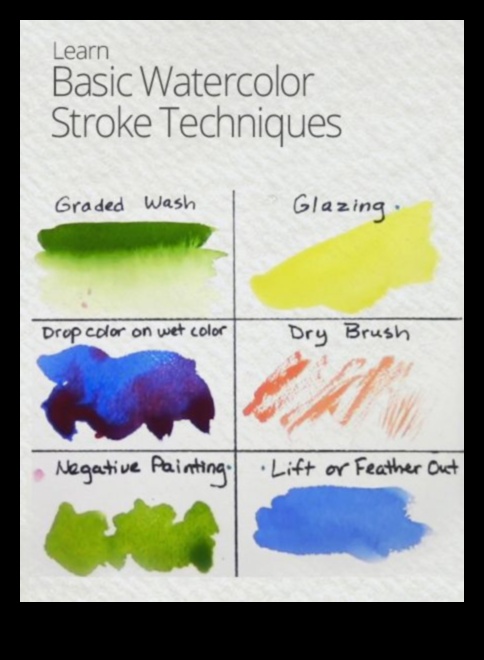
Watercolor Techniques for Beginners
Watercolor is a versatile and expressive medium that can be used to create a variety of effects. This guide will provide you with the basic watercolor techniques you need to know to get started.
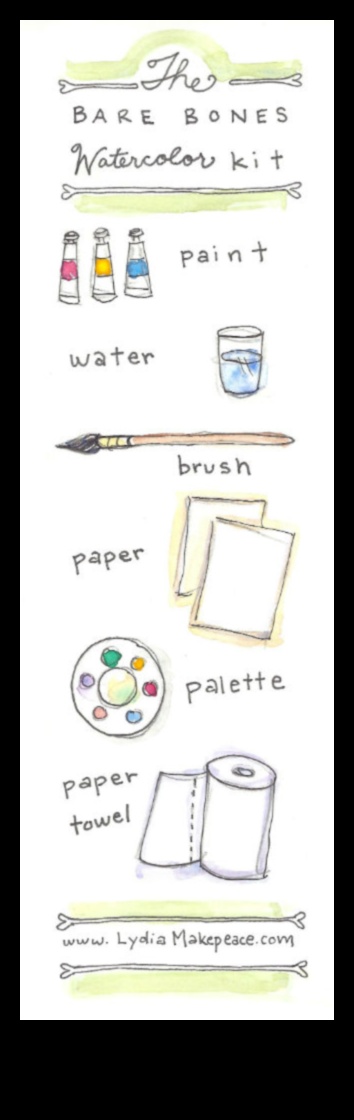
How to Choose the Right Watercolors
When choosing watercolors, it is important to consider the following factors:
- The type of pigment: Watercolors are made with a variety of pigments, each of which has its own unique properties. Some pigments are more transparent than others, while others are more opaque. Some pigments are also more lightfast than others, meaning they will not fade as quickly when exposed to sunlight.
- The price: Watercolors can range in price from very affordable to very expensive. The price of a watercolor set will depend on the quality of the pigments and the materials used to make the paint.
- The size of the set: Watercolor sets come in a variety of sizes, from small travel sets to large sets that contain hundreds of colors. The size of the set you choose will depend on your needs and budget.
Watercolor Paper and Brushes
The type of paper and brushes you use will affect the way your watercolors look.
- Watercolor paper: Watercolor paper is made from a variety of materials, including cotton, linen, and wood pulp. The type of paper you choose will affect the absorbency of the paper, which will in turn affect the way your watercolors blend and spread.
- Watercolor brushes: Watercolor brushes come in a variety of shapes and sizes. The type of brush you choose will affect the way you apply your watercolors.
Basic Watercolor Techniques
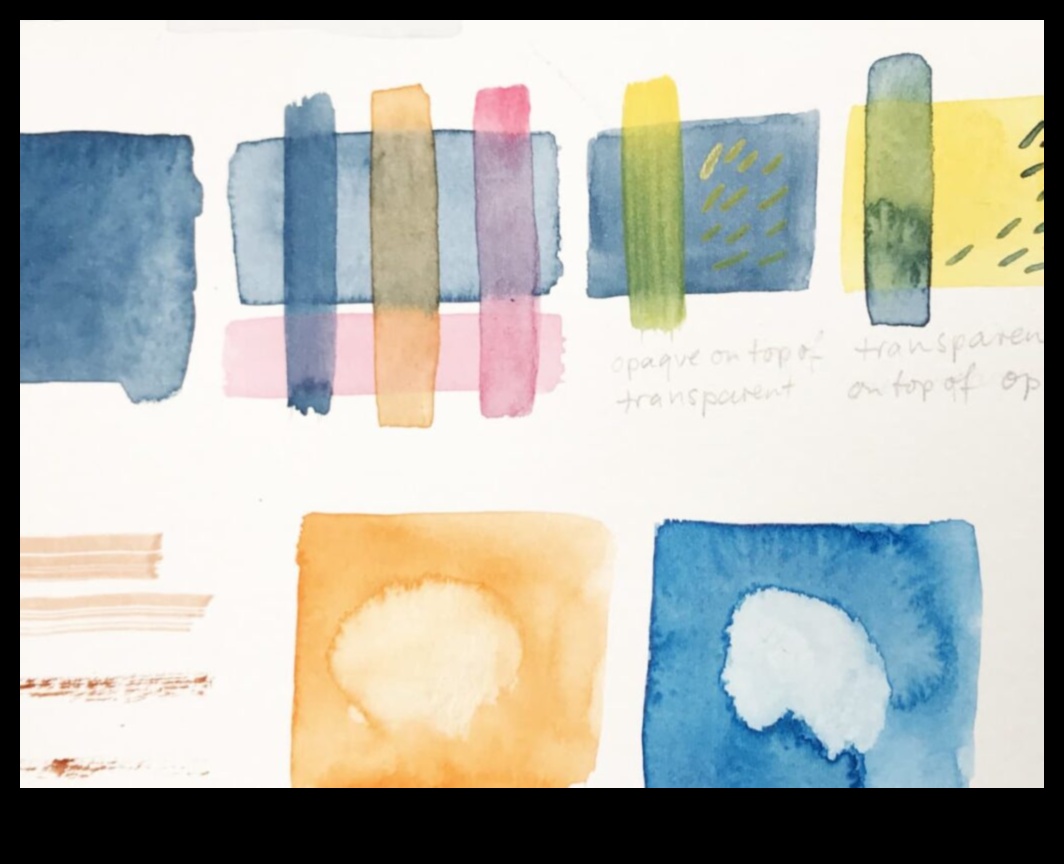
There are a few basic watercolor techniques that you should know before you start painting. These techniques include:
- Wet-on-wet: This technique involves applying watercolors to wet paper. This creates a soft, blended effect.
- Wet-on-dry: This technique involves applying watercolors to dry paper. This creates a more defined, textured effect.
- Layering: This technique involves applying multiple layers of watercolors to create depth and contrast.
- Lifting: This technique involves removing some of the paint from the paper to create highlights.
Advanced Watercolor Techniques
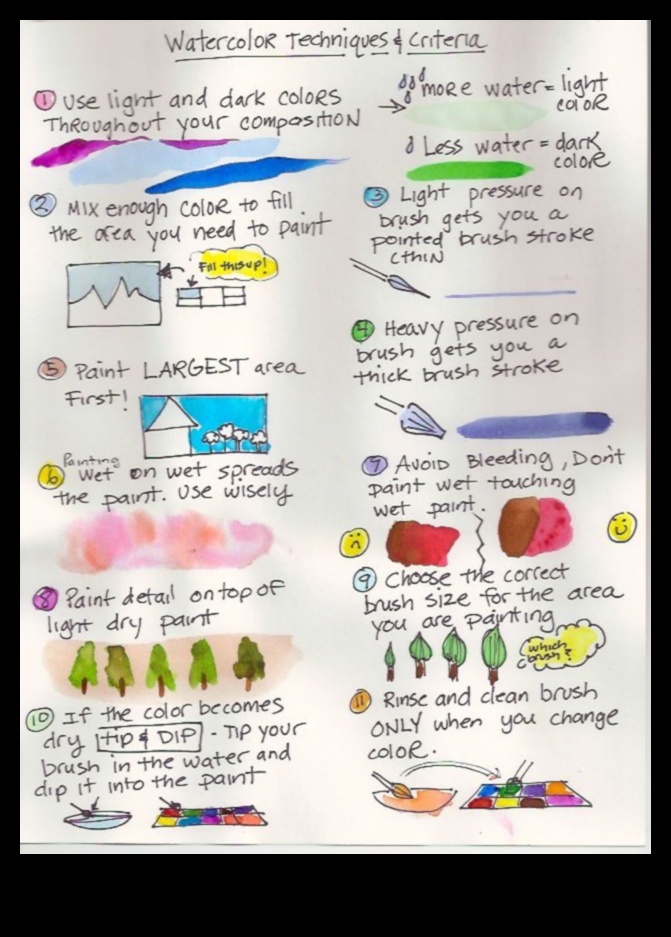
As you become more comfortable with the basic watercolor techniques, you can start to experiment with more advanced techniques. These techniques include:
- Negative painting: This technique involves painting around the subject rather than painting the subject itself. This creates a more dramatic effect.
- Drybrushing: This technique involves using a dry brush to apply watercolors to the paper. This creates a textured effect.
- Sgraffito: This technique involves scratching through the paint to reveal the white paper underneath. This creates a more interesting and textured effect.
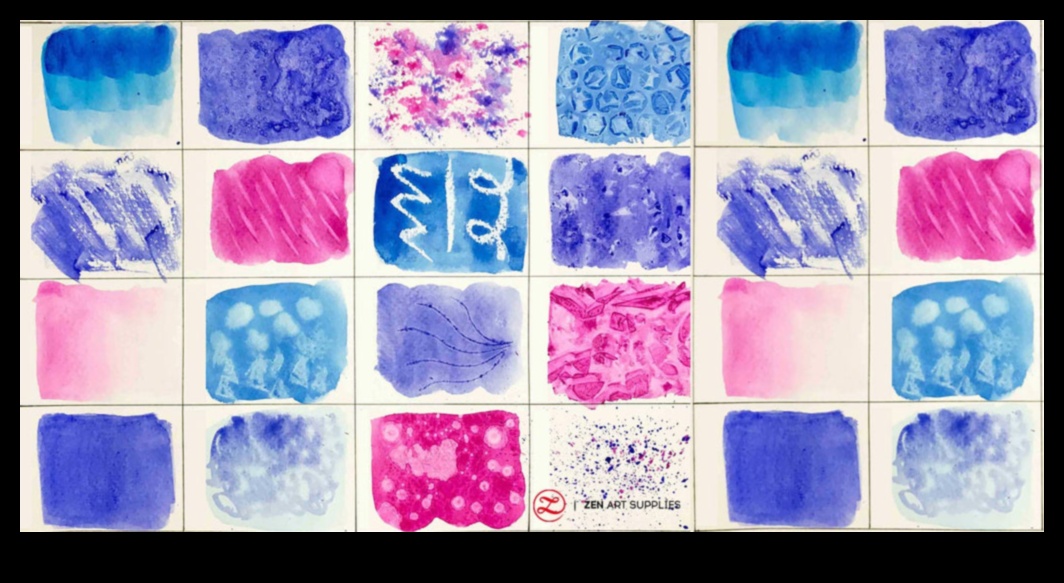
Watercolor Painting Tips
Here are a few tips to help you get started with watercolor painting:
- Start with a simple subject.
- Use a limited palette of colors.
- Experiment with different techniques.
- Don’t be afraid to make mistakes.
- Have fun!
Watercolor Painting Mistakes to Avoid
Here are a few mistakes to avoid when painting with watercolors:
- Using too much water.
- Applying too much paint.
- Overworking the paint.
- Not letting the paint dry completely before adding more layers.
How to Store and Care for Your Watercolors
Here are a few tips for storing and caring for your watercolors:
- Store your watercolors in a cool, dry place.
- Keep your watercolors away from direct sunlight
Feature Watercolor Pencil Watercolor Vibrant Watercolor Watercolour Pencil Type of medium Opaque Transparent Vibrant Opaque Application Dry Wet Wet Dry Blending Easy Difficult Easy Easy Coverage Opaque Transparent Vibrant Opaque Price $$$ $$$ $$$ $$$ How to Choose the Right Watercolors
When choosing watercolors, there are a few things to keep in mind.
- The type of watercolors you choose will depend on the type of painting you want to do.
- If you are just starting out, it is a good idea to choose a student grade set of watercolors.
- Professional grade watercolors are more expensive, but they offer better quality pigments and better lightfastness.
- You will also need to decide if you want to use tube watercolors or pan watercolors.
- Tube watercolors are more expensive, but they offer more flexibility in terms of color mixing.
- Pan watercolors are more affordable, but they can be more difficult to mix colors.
Once you have chosen the type of watercolors you want, you need to choose the right colors.
- A good basic set of watercolors will include the following colors:
- Cadmium Yellow
- Cadmium Orange
- Cadmium Red
- Ultramarine Blue
- Prussian Blue
- Viridian Green
- Yellow Ochre
- Burnt Sienna
- Raw Umber
- You can also add other colors to your palette as needed.
Finally, you need to choose the right watercolor paper.
- Watercolor paper comes in a variety of weights and textures.
- The weight of the paper refers to how thick it is.
- The texture of the paper refers to how smooth or rough it is.
- The type of paper you choose will depend on the type of painting you want to do.
- If you are just starting out, it is a good idea to choose a lightweight, textured paper.
- As you become more experienced, you can experiment with different types of paper.
III. Watercolor Paper and Brushes
Watercolor paper is a special type of paper that is designed to absorb water and resist buckling. There are many different types of watercolor paper available, each with its own unique properties. Some of the most common types of watercolor paper include:
- Cold-pressed watercolor paper
- Hot-pressed watercolor paper
- Medium-textured watercolor paper
- Gessoed watercolor paper
- Synthetic watercolor paper
The type of watercolor paper you choose will depend on the type of painting you are doing. For example, cold-pressed watercolor paper is a good choice for detailed paintings, while hot-pressed watercolor paper is a good choice for paintings with large areas of flat color.
Watercolor brushes are also an important part of watercolor painting. There are many different types of watercolor brushes available, each with its own unique properties. Some of the most common types of watercolor brushes include:
- Round brushes
- Flat brushes
- Shader brushes
- Mop brushes
- Fan brushes
The type of watercolor brush you choose will depend on the type of painting you are doing. For example, round brushes are a good choice for detailed painting, while flat brushes are a good choice for painting with large areas of flat color.
It is important to experiment with different types of watercolor paper and brushes until you find a combination that you are comfortable with.
IV. Basic Watercolor Techniques
Watercolor is a versatile medium that can be used to create a variety of effects. Here are some basic watercolor techniques to get you started:
-
Washes are created by applying a thin layer of watercolor paint to wet paper. This creates a soft, delicate effect.
-
Layering is the process of applying multiple layers of watercolor paint to create depth and contrast.
-
Scumbling is the process of applying dry watercolor paint to wet paper in a random manner. This creates a textured effect.
-
Lifting is the process of removing some of the paint from a wet watercolor painting. This can be done with a brush, a tissue, or a paper towel.
-
Dragging is the process of dragging a brush through wet watercolor paint to create a linear effect.
-
Stippling is the process of creating dots of watercolor paint to create a textured effect.
-
Negative painting is the process of painting around an object to create a white outline.
These are just a few of the basic watercolor techniques available. With practice, you can create a variety of beautiful and expressive watercolor paintings.
V. Advanced Watercolor Techniques
Advanced watercolor techniques allow you to create more realistic and detailed paintings. Here are a few of the most popular advanced watercolor techniques:
-
Wet-on-wet painting is a technique where you apply wet watercolor paint to a wet surface. This creates a soft, blended effect.
-
Wet-on-dry painting is a technique where you apply wet watercolor paint to a dry surface. This creates a more defined and textured effect.
-
Lifting is a technique where you remove some of the paint from your paper to create highlights. This can be done by using a dry brush, a tissue, or your finger.
-
Drybrushing is a technique where you use a dry brush to apply watercolor paint to your paper. This creates a textured effect.
-
Sgraffito is a technique where you scrape away some of the paint from your paper to reveal the white paper underneath. This can be done using a sharp object, such as a knife or a razor blade.
These are just a few of the many advanced watercolor techniques that you can learn. With practice, you can create beautiful and realistic paintings using watercolor pencils.
VI. Watercolor Painting Tips
Here are some tips for watercolor painting:
- Start with a light touch.
- Build up your colors gradually.
- Use a variety of brushstrokes.
- Don’t be afraid to experiment.
- Have fun!
VII. Watercolor Painting Mistakes to Avoid
Watercolor painting is a beautiful and rewarding art form, but it can also be challenging. There are a number of common mistakes that beginner watercolor painters make, which can lead to frustration and disappointment. By avoiding these mistakes, you can improve your watercolor skills and create more beautiful paintings.
Here are seven common watercolor painting mistakes to avoid:
- Using too much water
- Using too little paint
- Applying paint too thickly
- Not lifting or lifting too much paint
- Using the wrong paper
- Not using enough masking fluid
- Not cleaning your brushes properly
If you avoid these mistakes, you’ll be well on your way to creating beautiful watercolor paintings.
How to Store and Care for Your Watercolors
Storing and caring for your watercolors properly will help them last longer and perform better. Here are a few tips:
- Store your watercolors in a cool, dry place away from direct sunlight.
- Do not store your watercolors in a humid environment, as this can cause the paint to become sticky and unusable.
- Do not store your watercolors in a hot environment, as this can cause the paint to dry out and become unusable.
- Keep your watercolors closed when not in use to prevent them from drying out.
- Clean your watercolor brushes thoroughly after each use to prevent the paint from drying on the bristles and becoming difficult to remove.
- Store your watercolor brushes in a clean, dry place when not in use.
By following these tips, you can help your watercolors last longer and perform better.
Watercolor Painting Inspiration
Watercolor painting is a beautiful and expressive art form that can be enjoyed by people of all ages. It’s a great way to relax and de-stress, and it can also be a very rewarding way to express your creativity.
If you’re looking for inspiration for your next watercolor painting, here are a few tips:
- Look at nature. The natural world is full of beautiful colors and shapes that can be used as inspiration for your paintings.
- Visit an art museum or gallery. Seeing other people’s work can help you to develop your own style and techniques.
- Read books and articles about watercolor painting. There is a wealth of information available to help you learn more about the medium.
- Take a class or workshop. This is a great way to learn from experienced artists and get feedback on your work.
With a little inspiration, you can create beautiful watercolor paintings that will bring joy to your life and the lives of others.
Frequently Asked
Question 1: What is the difference between watercolor pencils and regular pencils?
Answer 1: Watercolor pencils are made with a waxy core that allows the pigment to be spread with water. Regular pencils are made with a lead core that does not dissolve in water.
Question 2: How do I use watercolor pencils?
Answer 2: To use watercolor pencils, first draw your image with the pencil. Then, wet a brush with water and brush over the pencil lines. The pigment will dissolve and spread, creating a watercolor effect.
Question 3: What are some tips for using watercolor pencils?
Answer 3: Here are some tips for using watercolor pencils:- Start with a light touch and build up the color gradually.
- Use a variety of pencils to create different effects.
- Don’t be afraid to experiment!