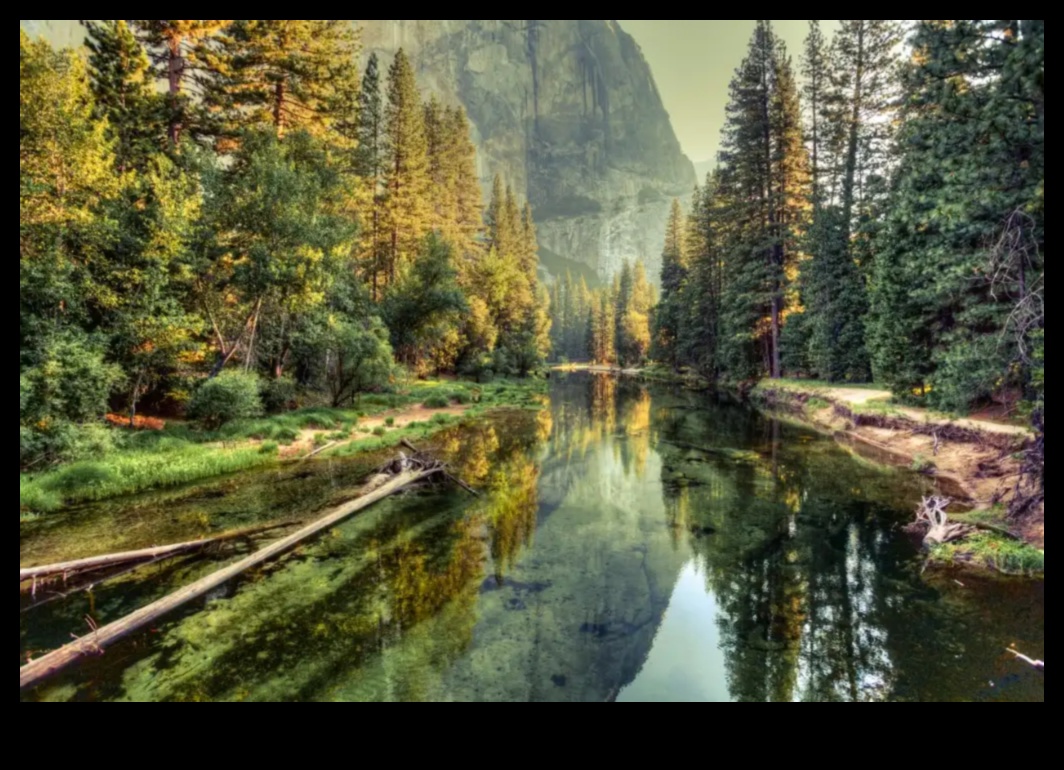
Lens and Light: The Art of Landscape Photography
This article will teach you how to take better landscape photos. We’ll cover everything from choosing the right lens and filters to composing and editing your photos.
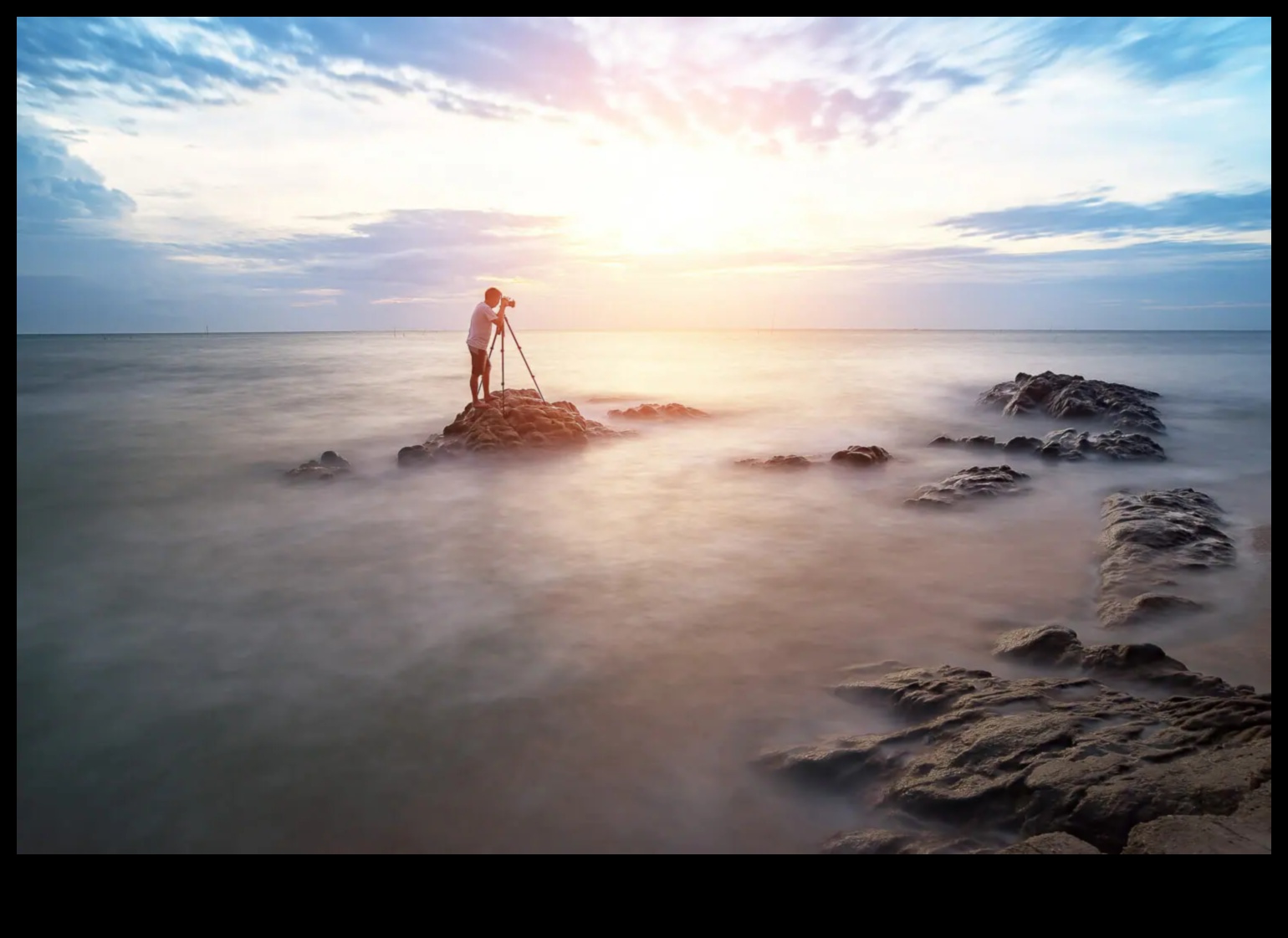
Landscape photography is one of the most popular genres of photography. It’s a great way to capture the beauty of nature and share it with others.
However, taking good landscape photos can be challenging. There are a lot of factors to consider, such as the type of lens you use, the time of day you shoot, and the weather conditions.
This article will teach you everything you need to know about taking great landscape photos. We’ll cover everything from choosing the right lens and filters to composing and editing your photos.
Lenses for Landscape Photography
The most important decision you’ll make when taking landscape photos is choosing the right lens. There are a few different factors to consider when choosing a lens for landscape photography.
First, you need to decide what type of focal length you want. Wide-angle lenses are ideal for capturing sweeping landscapes, while telephoto lenses are better for capturing details of distant objects.
Second, you need to consider the aperture of the lens. Aperture controls the amount of light that enters the camera, and it also affects the depth of field. A wide aperture will give you a shallow depth of field, which can be useful for isolating a subject against a blurred background. A narrow aperture will give you a deep depth of field, which is better for capturing everything in focus.
Third, you need to consider the image quality of the lens. A good quality lens will produce sharp, clear images with minimal distortion.
Here are a few of the best lenses for landscape photography:
- Nikon 14-24mm f/2.8G ED AF-S Nikkor
- Canon EF 16-35mm f/2.8L III USM
- Sony FE 16-35mm f/2.8 GM
- Tamron 15-30mm f/2.8 Di VC USD G2
- Sigma 14-24mm f/2.8 DG DN Art
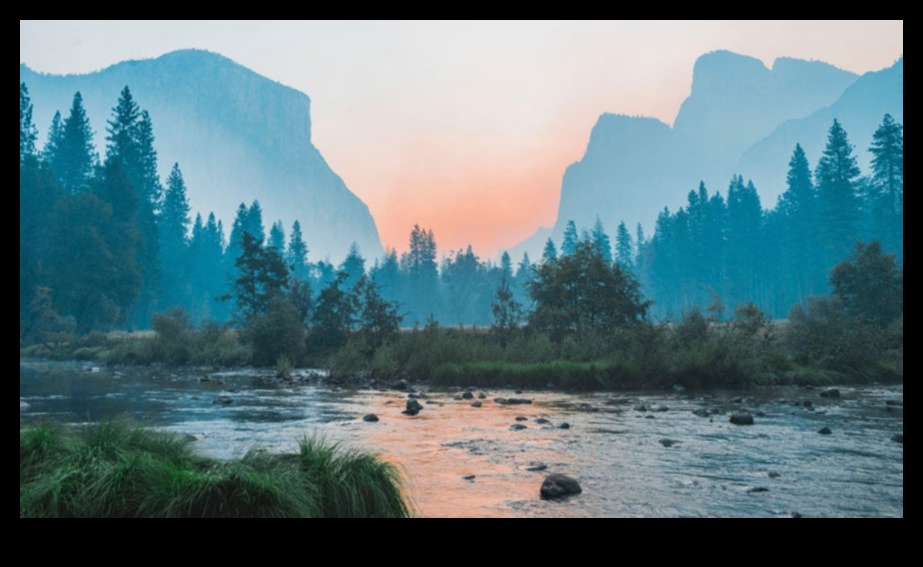
Light for Landscape Photography
The type of light you use can have a big impact on the mood and feel of your landscape photos.
There are two main types of light for landscape photography:
- Direct sunlight
- Diffused light
Direct sunlight is harsh and can create harsh shadows. It’s best to avoid shooting in direct sunlight if you want to avoid blown-out highlights and dark shadows.
Diffused light is softer and more flattering. It’s created by clouds or by shooting on overcast days. Diffused light is ideal for capturing details and textures.
The best time to shoot landscapes is at sunrise or sunset. This is when the light is softer and more flattering.
Here are a few tips for using light to improve your landscape photos:
- Use a polarizing filter to reduce glare and improve contrast.
- Use a graduated neutral density filter to balance the exposure between the sky and the foreground.
- Use a tripod to avoid camera shake.
- Experiment with different shooting angles and compositions.
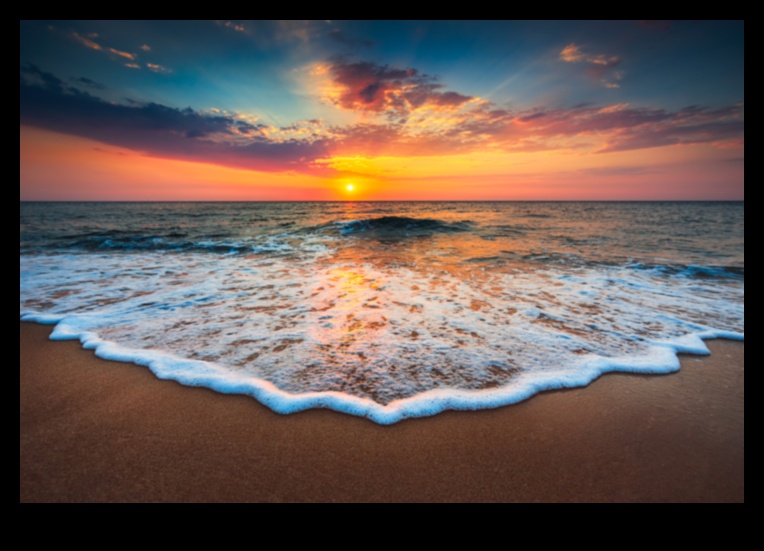
Composition for Landscape Photography
The composition of your landscape photos is just as important as the technical aspects of photography. A well-composed landscape photo can make the difference between a mediocre photo and a stunning one.
There are a few basic principles of composition that you can use to improve your landscape photos:
- The rule of thirds
- Leading lines
- Symmetry
- Negative space
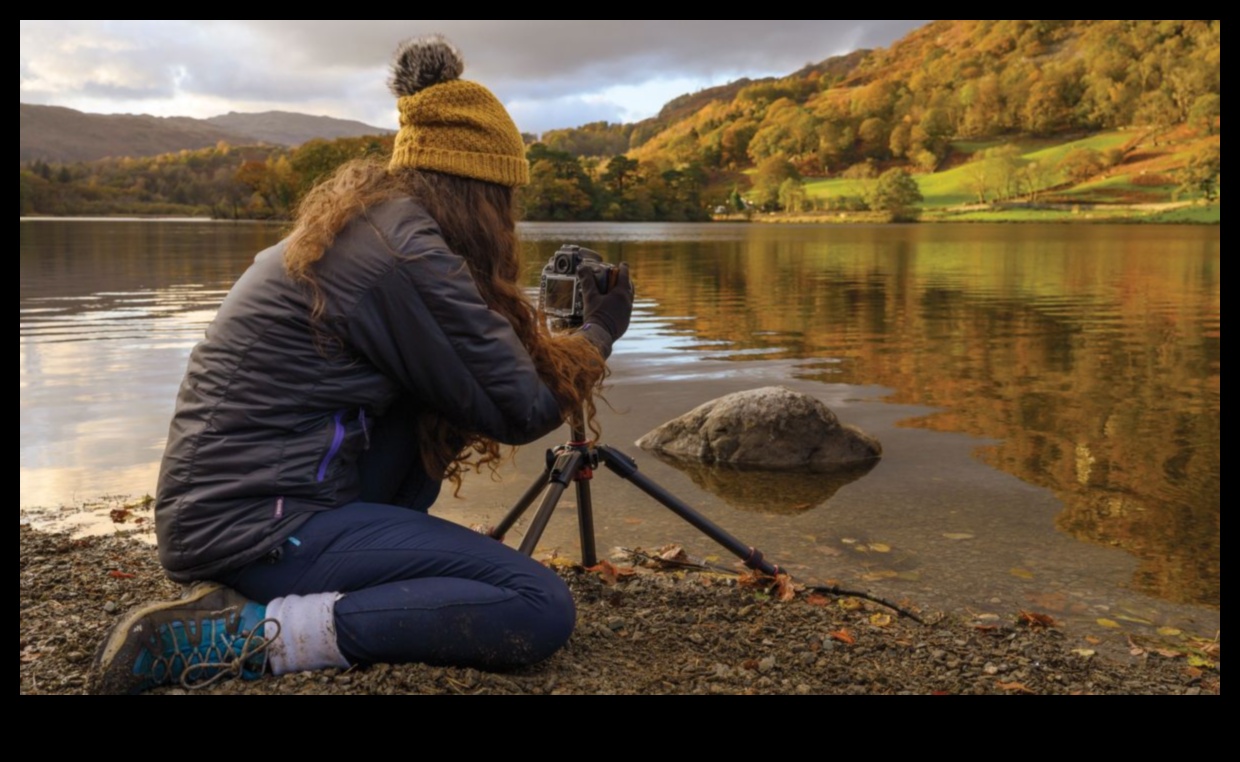
II. Lenses for Landscape Photography
The type of lens you use for landscape photography can have a significant impact on the look and feel of your photos. There are a few different types of lenses that are commonly used for landscape photography, each with its own advantages and disadvantages.
Wide-angle lenses are a popular choice for landscape photography because they allow you to capture a wide field of view, which can be great for capturing sweeping landscapes or including foreground elements in your photos. However, wide-angle lenses can also introduce distortion, which can make your photos look unnatural.
Telephoto lenses are another option for landscape photography. Telephoto lenses allow you to zoom in on distant objects, which can be great for capturing details or isolating a subject from its surroundings. However, telephoto lenses can also be more difficult to use handheld, and they can also make it more difficult to capture a wide field of view.
In general, the best lens for landscape photography will depend on the specific needs of your shoot. If you’re looking for a versatile lens that can handle a variety of shooting situations, a wide-angle zoom lens is a good option. If you’re specifically interested in capturing details or isolating a subject, a telephoto lens may be a better choice.
II. Lenses for Landscape Photography
The type of lens you use for landscape photography can have a significant impact on the final image. There are a wide variety of lenses available, each with its own unique strengths and weaknesses.
When choosing a lens for landscape photography, you need to consider factors such as the focal length, aperture, and image stabilization.
The focal length of a lens determines the field of view, or how much of the scene you can see in your photo. Wide-angle lenses have a short focal length and allow you to capture a wide view of the landscape. Telephoto lenses have a long focal length and allow you to zoom in on specific details.
The aperture of a lens determines the depth of field, or how much of the scene is in focus. Wide apertures have a shallow depth of field, which means that only a small part of the scene will be in focus. Narrow apertures have a deep depth of field, which means that more of the scene will be in focus.
Image stabilization is a feature that helps to reduce camera shake. This can be helpful when shooting handheld in low-light conditions.
II. Lenses for Landscape Photography
The type of lens you use for landscape photography can have a significant impact on the final image. There are a wide variety of lenses available, each with its own unique characteristics. Some of the most important factors to consider when choosing a lens for landscape photography include:
- Focal length
- Aperture
- Image stabilization
- Filter compatibility
In this section, we will discuss the different types of lenses that are available for landscape photography and how to choose the right lens for your needs.
V. Post-Processing for Landscape Photography
Post-processing is an essential part of landscape photography, as it can help to improve the overall quality of your images and bring out the best details. There are a number of different post-processing techniques that you can use, but some of the most common include:
- Adjusting the white balance to ensure that your images are properly exposed.
- Adjusting the contrast and saturation to create a more visually appealing image.
- Adding noise reduction to reduce the appearance of grain in your images.
- Cropping and straightening your images to improve the composition.
- Adding filters and effects to create a unique and stylized look.
It is important to experiment with different post-processing techniques until you find a workflow that you are comfortable with and that produces results that you are happy with. With a little practice, you can learn to use post-processing to take your landscape photography to the next level.
Here are some additional tips for post-processing landscape photography:
- Start by making a copy of your original image before you start editing. This will allow you to go back to the original if you make any changes that you don’t like.
- Work on one adjustment at a time and make small changes gradually. It is easy to overdo it with post-processing, so it is important to be careful not to over-edit your images.
- Don’t be afraid to experiment with different post-processing techniques. There is no right or wrong way to post-process your images, so feel free to try different things until you find a look that you like.
With a little practice, you can learn to use post-processing to take your landscape photography to the next level.
VI. Tips for Shooting Landscape Photography
Here are some tips for shooting landscape photography:
- Choose the right time of day. The best time to shoot landscapes is usually early in the morning or late in the evening, when the light is soft and diffused.
- Find a good composition. A strong composition is essential for a great landscape photo. Look for interesting elements in the landscape, such as mountains, trees, or water, and arrange them in a way that is visually appealing.
- Use a tripod. A tripod will help you to keep your camera steady and prevent blurry photos.
- Use a wide-angle lens. A wide-angle lens will allow you to capture a wide view of the landscape.
- Experiment with different exposures. Experiment with different exposure settings to create different effects. For example, you can use a long exposure to create a smooth, blurry effect of moving water, or a short exposure to capture a sharp image of a moving subject.
- Use filters. Filters can be used to add creative effects to your landscape photos. For example, you can use a polarizing filter to reduce glare and improve contrast, or a graduated neutral density filter to darken the sky and create a more dramatic effect.
- Post-process your photos. Post-processing can be used to improve the quality of your landscape photos and add creative effects. You can use software like Adobe Photoshop or Lightroom to adjust the exposure, contrast, saturation, and other settings. You can also add effects like vignettes, borders, and textures.
VII. Common Mistakes in Landscape Photography
Here are some common mistakes that landscape photographers make:
- Using the wrong lens.
- Not paying attention to the light.
- Not using a tripod.
- Overediting their photos.
- Not getting close enough to the subject.
- Not taking the time to compose their photos.
By avoiding these common mistakes, you can improve your landscape photography skills and take better photos.
Inspiration for Landscape Photography
Landscape photography is a beautiful and rewarding art form that can take you to some of the most amazing places in the world. It can also be a great way to de-stress and connect with nature.
If you’re looking for inspiration for your own landscape photography, here are a few tips:
- Look for interesting subjects. This could be anything from a dramatic mountain range to a secluded beach.
- Pay attention to the light. The best time to shoot landscapes is usually early in the morning or late in the evening, when the light is soft and diffused.
- Experiment with different compositions. Don’t be afraid to try different angles and perspectives.
- Take your time. Don’t rush through the process. Take your time to frame your shot and capture the perfect moment.
With a little inspiration and practice, you can take stunning landscape photos that will capture the beauty of the natural world.
IX. Resources for Landscape Photography
Here are some resources that you can use to learn more about landscape photography:
- Lonely Planet: Landscape Photography Tips
- National Geographic: Landscape Photography Tips and Techniques
- Digital Camera World: Landscape Photography Tips
- Photo Focus: Landscape Photography Tips for Beginners
- Cambridge in Colour: Landscape Photography Tutorial
Questions & Their Answers
Q: What is the best lens for landscape photography?
A: There is no one-size-fits-all answer to this question, as the best lens for landscape photography will vary depending on your specific needs and budget. However, some of the most popular lenses for landscape photography include wide-angle lenses, telephoto lenses, and zoom lenses.
Q: What is the best time of day to shoot landscapes?
A: The best time of day to shoot landscapes will vary depending on the specific location and the desired effect. However, some of the most popular times to shoot landscapes include sunrise, sunset, and golden hour.
Q: What is the best way to edit landscape photos?
A: There is no one-size-fits-all answer to this question, as the best way to edit landscape photos will vary depending on your specific needs and preferences. However, some of the most common editing techniques for landscape photos include adjusting the exposure, contrast, and saturation, as well as adding noise reduction and sharpening.