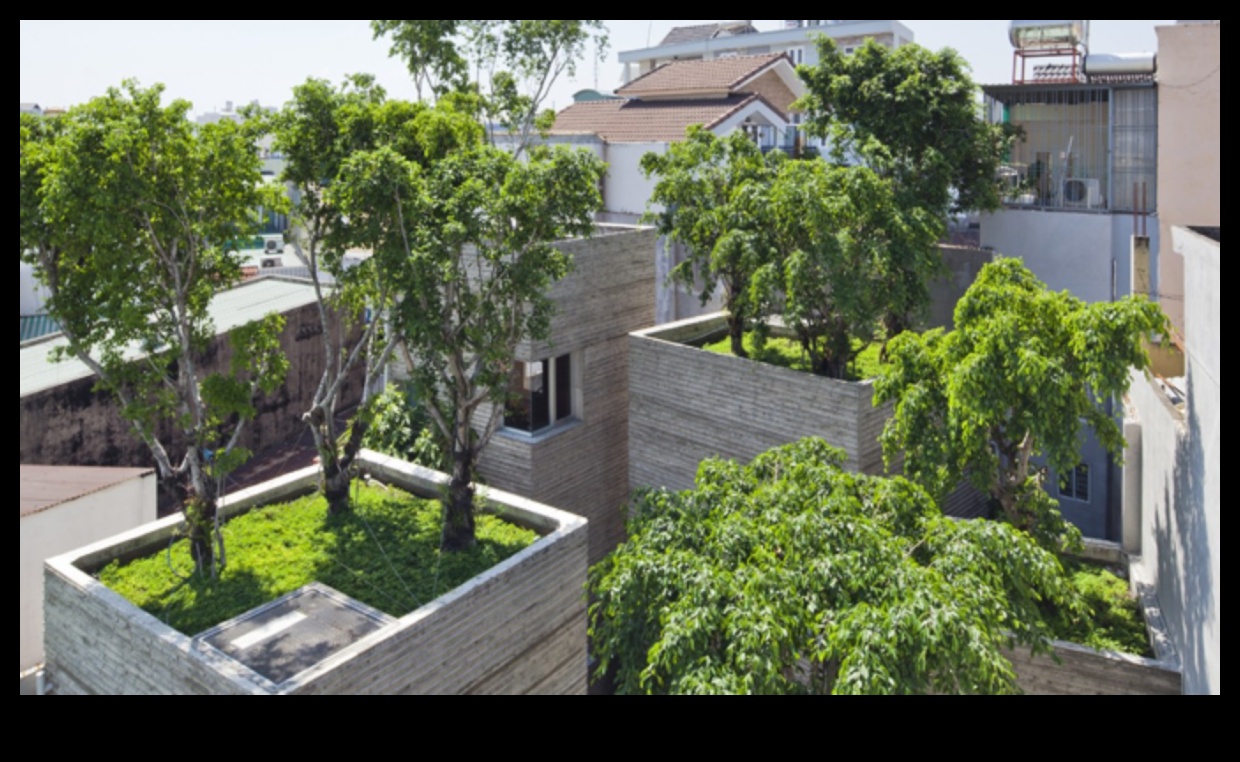
The Role of Urban Green Spaces in Enhancing City Landscapes
Urban green spaces are an essential part of any city landscape. They provide a number of benefits for both individuals and communities, including improved air quality, reduced crime rates, and increased property values.
In this article, we will discuss the role of urban green spaces in enhancing city landscapes. We will explore the benefits of urban green spaces, the different types of urban green spaces, and how to create urban green spaces.
We will also discuss the challenges of creating urban green spaces, such as the need for funding and the need to overcome political opposition. Finally, we will provide some tips on how to make the most of your city’s urban green spaces.
## Benefits of Urban Green Spaces
Urban green spaces offer a number of benefits for both individuals and communities. These benefits include:
- Improved air quality
- Reduced crime rates
- Increased property values
- Enhanced mental and physical health
- Increased social cohesion
- Improved biodiversity
Let’s take a closer look at each of these benefits.
Improved air quality
Urban green spaces help to improve air quality by absorbing pollutants and releasing oxygen. This is especially important in cities, where air pollution can be a major problem.
Reduced crime rates
Urban green spaces have been shown to reduce crime rates. This is likely due to the fact that green spaces provide a place for people to gather and socialize, which can help to create a sense of community and reduce feelings of isolation.
Increased property values
Studies have shown that homes near urban green spaces tend to have higher property values than homes that are not located near green spaces. This is likely due to the fact that green spaces are considered to be desirable amenities by homebuyers.
Enhanced mental and physical health
Urban green spaces have been shown to have a number of benefits for mental and physical health. These benefits include reduced stress levels, improved mood, increased cognitive function, and reduced rates of obesity and cardiovascular disease.
Increased social cohesion
Urban green spaces can help to increase social cohesion by providing a place for people to gather and socialize. This is especially important in cities, where people can often feel isolated from their neighbors.
Improved biodiversity
Urban green spaces can help to improve biodiversity by providing a habitat for plants and animals. This is important for both the ecological and aesthetic value of cities.
## Types of Urban Green Spaces
There are many different types of urban green spaces, each with its own unique benefits. Some of the most common types of urban green spaces include:
- Parks
- Greenways
- Trees
- Community gardens
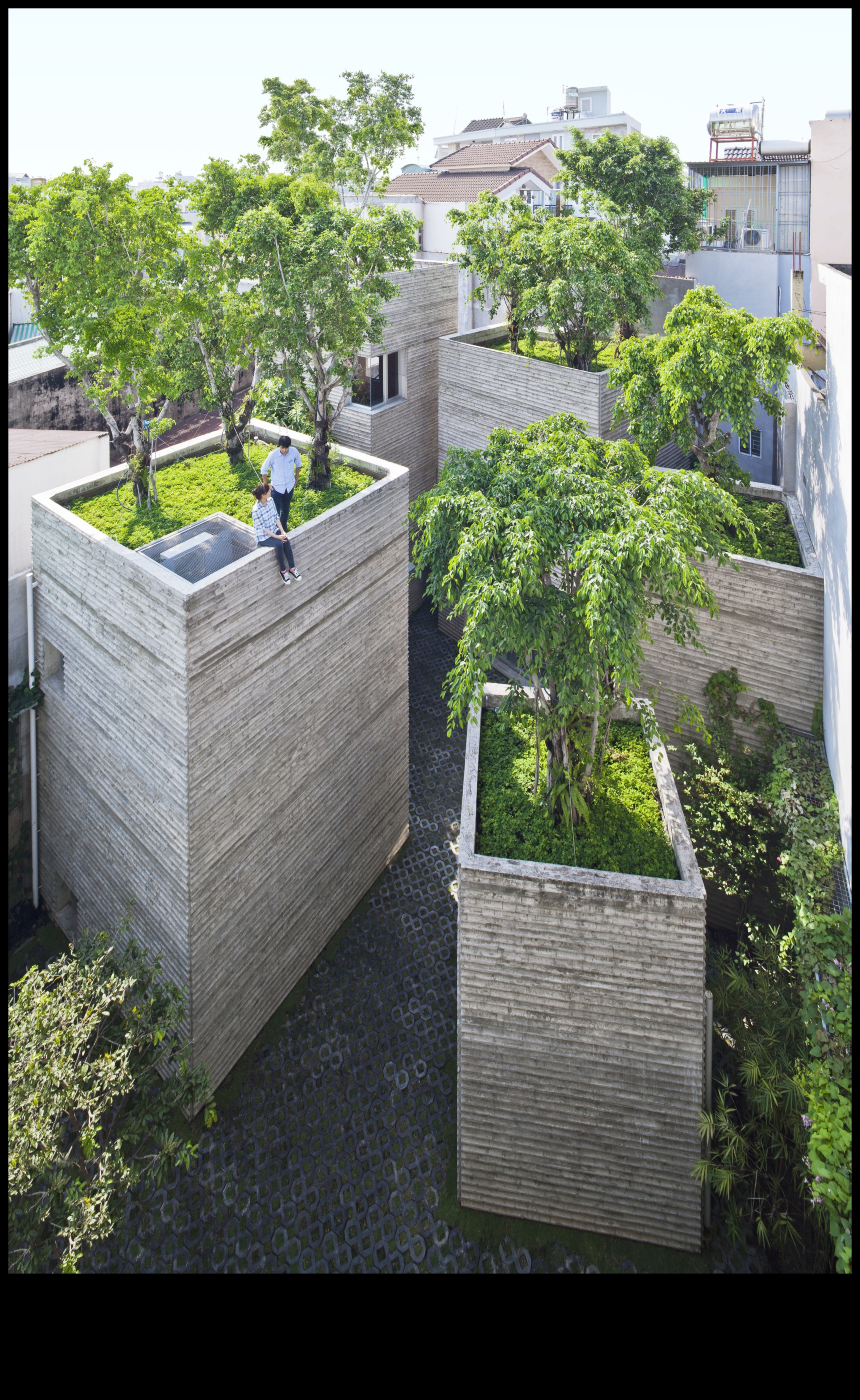
- Rooftop gardens
- Vertical gardens
Each type of urban green space has its own unique benefits and drawbacks. For example, parks are typically large and open spaces that offer a variety of activities, while greenways are linear spaces that connect different parts of a city.
When choosing a type of urban green space to create, it is important to consider the needs of the community and the available space.
## How to Create Urban Green Spaces
There are a number of things that can be done to create urban green spaces. Some of the most common methods include:
- Converting vacant lots into parks or gardens
- Improved air quality
- Reduced noise pollution
- Increased physical activity
- Enhanced mental health
- Reduced crime rates
- Increased property values
- Improved air quality
- Reduced noise pollution
- Increased biodiversity
- Enhanced physical and mental health
- Promoted social interaction
- Converting vacant lots into parks or gardens
- Repurposing abandoned buildings into community spaces
- Installing green roofs and walls on buildings
- Creating street trees and other vegetation along sidewalks and roads
- Encouraging residents to plant gardens in their yards
- Lack of space
- Cost
- Political opposition
- Environmental concerns
- Improved physical and mental health
- Reduced stress
- Increased social interaction
- Enhanced quality of life
- Improved air quality
- Reduced noise pollution
- Increased biodiversity
- Enhanced social cohesion
- Reduced crime rates
- Increased property values
- Improved mental and physical health
- Reduced air pollution
- Improved air quality
- Reduced heat island effect
- Increased biodiversity
- Enhanced stormwater management
- Improved human health
| Topic | Answer |
|---|---|
| City Green Space | An area of land in or near a city that is covered with vegetation, such as trees, shrubs, and grass. |
| City Landscape | The physical appearance of a city, including its buildings, streets, parks, and other features. |
| Urban Planning | The process of designing and managing the development of cities. |
| Environmental Sustainability | The ability to meet the needs of the present without compromising the ability of future generations to meet their own needs. |
| Urban Ecology | The study of the interactions between humans and the natural environment in urban areas. |
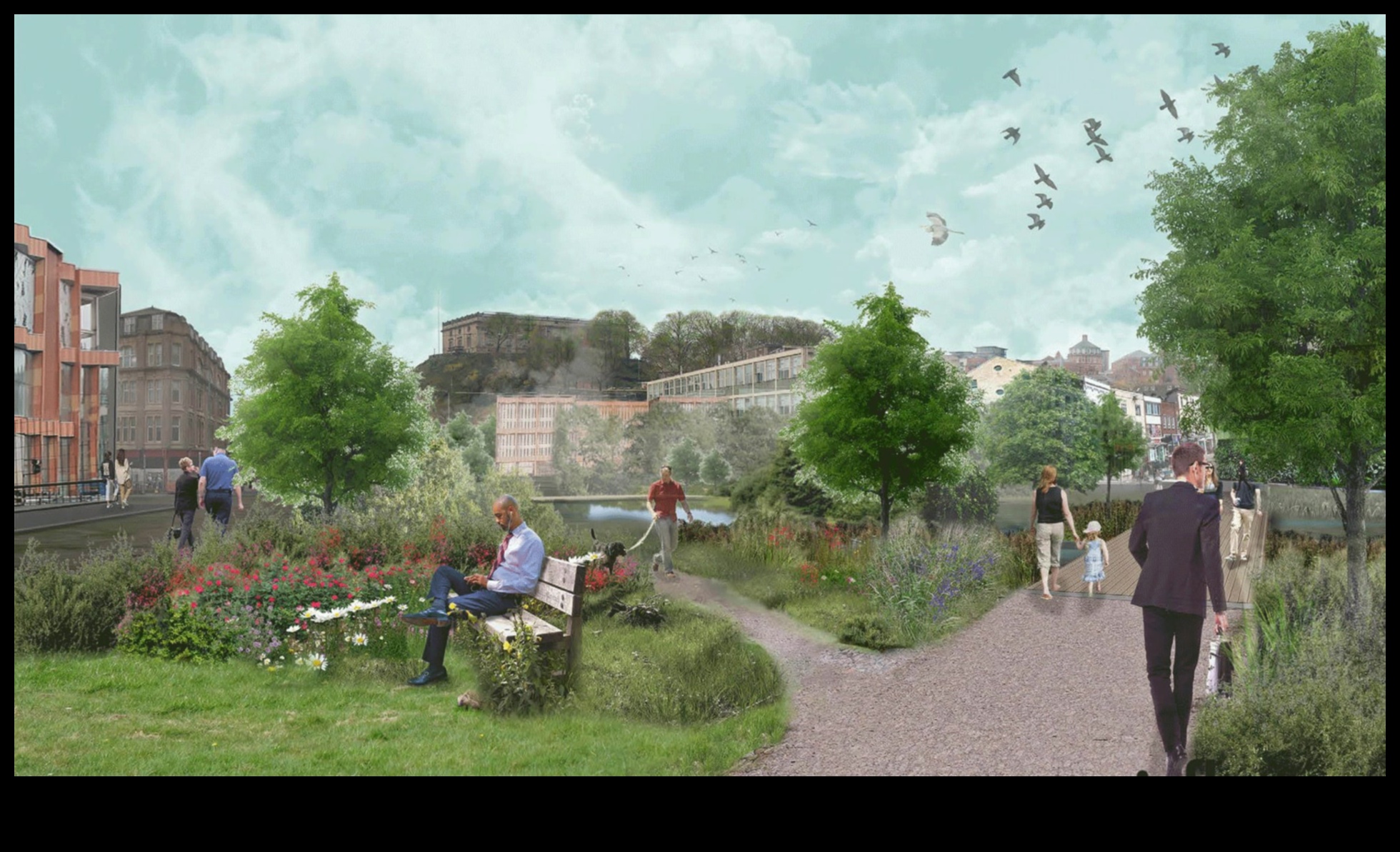
II. Benefits of Urban Green Spaces
Urban green spaces provide a number of benefits for people living in cities, including:
III. Benefits of Urban Green Spaces
Urban green spaces provide a number of benefits for people who live and work in cities. These benefits include:
Urban green spaces can also help to reduce crime rates and improve property values.
In addition to these direct benefits, urban green spaces also play an important role in the urban environment by providing a place for people to relax and connect with nature.
For these reasons, urban green spaces are an essential part of any healthy and sustainable city.
How to Create Urban Green Spaces
There are a number of ways to create urban green spaces, including:
Each of these methods has its own advantages and disadvantages. For example, converting vacant lots into parks or gardens can provide much-needed green space in urban areas, but it can also be expensive and time-consuming. Repurposing abandoned buildings into community spaces can be a more affordable option, but it may be more difficult to find abandoned buildings that are suitable for this purpose. Installing green roofs and walls on buildings can be a relatively inexpensive way to add green space to an urban area, but it is important to make sure that the roofs and walls are properly maintained. Creating street trees and other vegetation along sidewalks and roads can be a simple and cost-effective way to improve the appearance of an urban area, but it is important to make sure that the trees and vegetation are properly cared for. Encouraging residents to plant gardens in their yards can be a great way to get people involved in their community and to improve the quality of their own lives, but it is important to make sure that residents have the resources and knowledge they need to successfully maintain their gardens.
When considering how to create urban green spaces, it is important to weigh the advantages and disadvantages of each method and to choose the option that is best suited for the specific needs of the community.
Challenges of Creating Urban Green Spaces
There are a number of challenges to creating urban green spaces, including:
Despite these challenges, there are a number of ways to overcome them and create successful urban green spaces.
One way to overcome the lack of space is to use vertical gardens and rooftop parks. These spaces can be used to create green spaces in areas that would otherwise be unusable.
Cost can also be a challenge, but there are a number of ways to reduce the cost of creating urban green spaces. One way is to use recycled materials or native plants. Another way is to partner with community organizations or businesses to help with the cost of construction.
Political opposition can also be a challenge, but there are a number of ways to overcome this. One way is to educate policymakers about the benefits of urban green spaces. Another way is to work with community groups to build support for green space projects.
Environmental concerns can also be a challenge, but there are a number of ways to address these concerns. One way is to choose plants that are native to the area. Another way is to design urban green spaces in a way that minimizes their impact on the environment.
By working together, we can overcome the challenges of creating urban green spaces and create beautiful, sustainable, and healthy cities.
VI. Benefits of Urban Green Spaces for IndividualsUrban green spaces provide a number of benefits for individuals, including:
Research has shown that spending time in nature can improve our physical and mental health. For example, a study by the University of Exeter found that people who live near green spaces have lower rates of heart disease, obesity, and depression. Another study by the American Psychological Association found that people who spend time in nature have lower levels of stress and anxiety.
Urban green spaces also provide opportunities for social interaction. People who live near green spaces are more likely to be involved in their community and to have strong social networks. This is likely due to the fact that green spaces provide a place for people to gather and socialize.
In addition, urban green spaces can enhance our quality of life. They provide a place to relax and escape from the hustle and bustle of city life. They can also improve our mood and make us feel more positive.
Overall, urban green spaces provide a number of benefits for individuals. They can improve our physical and mental health, reduce stress, increase social interaction, and enhance our quality of life.
VII. Benefits of Urban Green Spaces for Communities
Urban green spaces provide a number of benefits for communities, including:
These benefits are due to the many functions that urban green spaces perform. For example, urban green spaces can help to improve air quality by absorbing pollutants and releasing oxygen. They can also help to reduce noise pollution by providing a buffer between noise sources and residential areas. Urban green spaces can also help to increase biodiversity by providing habitat for a variety of plants and animals. Additionally, urban green spaces can help to enhance social cohesion by providing a place for people to gather and interact with one another. Finally, urban green spaces can help to reduce crime rates by providing a safe and inviting space for people to spend time.
The benefits of urban green spaces for communities are well-documented. A number of studies have shown that urban green spaces can improve air quality, reduce noise pollution, increase biodiversity, enhance social cohesion, reduce crime rates, and increase property values. Additionally, urban green spaces can improve mental and physical health.
Given the many benefits that urban green spaces provide for communities, it is clear that they play an important role in enhancing city landscapes.
Benefits of Urban Green Spaces for the Environment
Urban green spaces provide a number of benefits for the environment, including:
Urban green spaces can help to reduce air pollution by absorbing pollutants from the air. This is especially important in cities, where air pollution levels can be high. Urban green spaces can also help to improve air quality by providing shade and reducing the amount of heat that is reflected back into the atmosphere.
The heat island effect is a phenomenon that occurs when urban areas are significantly warmer than surrounding rural areas. This is due to the fact that cities are often built with materials that absorb and retain heat, such as concrete and asphalt. Urban green spaces can help to reduce the heat island effect by providing shade and by evaporating water, which cools the air.
Urban green spaces can also help to increase biodiversity by providing habitat for a variety of plants and animals. This is important for maintaining a healthy ecosystem and for providing food and shelter for wildlife.
Urban green spaces can also help to manage stormwater by absorbing rainwater and preventing it from flooding streets and homes. This is important for reducing the risk of flooding and for protecting property damage.
Finally, urban green spaces can also improve human health by providing a place for people to relax and enjoy nature. Studies have shown that spending time in green spaces can reduce stress, improve mood, and boost creativity.
IX.
Urban green spaces play a vital role in enhancing city landscapes. They provide a number of benefits for individuals, communities, and the environment. By creating more urban green spaces, we can create healthier, more livable cities for everyone.
General Questions
Question 1: What are the benefits of urban green spaces?
Urban green spaces provide a number of benefits for both individuals and communities. These benefits include:
* Improved air quality
* Reduced noise pollution
* Increased opportunities for physical activity
* Enhanced mental health and well-being
* Increased social interaction
* Improved property values
Question 2: What are the different types of urban green spaces?
There are many different types of urban green spaces, including:
* Parks
* Gardens
* Green roofs
* Street trees
* Community gardens
* Nature preserves
Question 3: How can we create more urban green spaces?
There are a number of ways to create more urban green spaces, including:
* Reclaiming vacant lots
* Planting trees along streets and sidewalks
* Creating rooftop gardens
* Converting parking lots into parks
* Partnering with community organizations to create green spaces